impella cardiac device
- related: cardiac supportive devices
- tags: #literature #cardiology

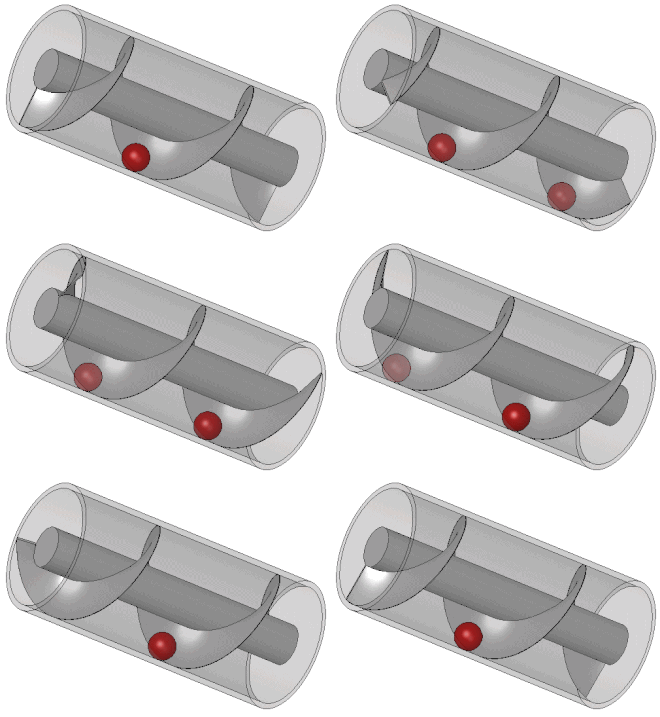
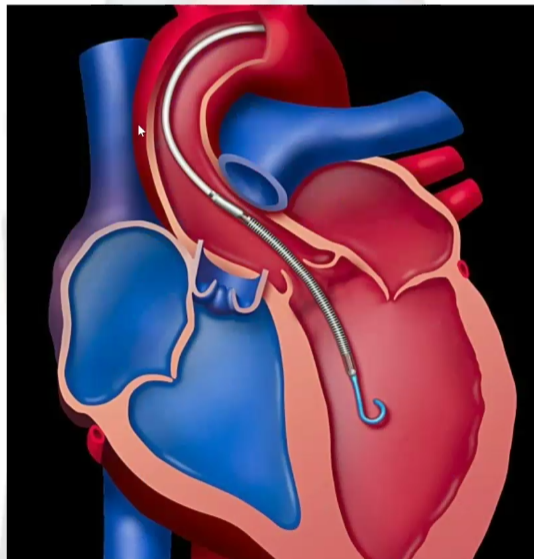
- microaxial (small and axial flow) flow pump
- axial means a pump with a propeller (move fluids parallel to impeller shaft)
- in this case, archimedes screw is used
- 14 French, placed in femoral artery, goes across aortic valve and into LV with pigtail catheter
- delivery port in ascending aorta
- continuously pump blood from LV and into aorta in a non-pulsatile fashion
- CO is pump + native cardiac function
- If LV has no contractility at all, there will be flatline of MAP
- anticoagulation is necessary
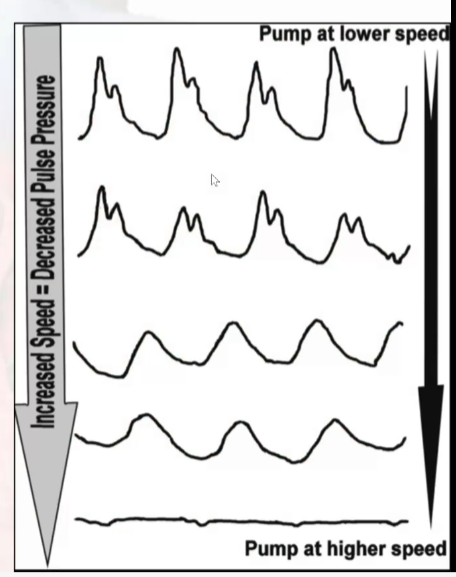
- different flows
- 2.5: 2.5L flow
- CP: 3.5L flow, can be placed at bedside
- axillary: 5.5, needs axillary cutdown and conduit in OR. Complete ventricular LV support with 5L CO
- higher afterload = more pressure pumping against
Alarms
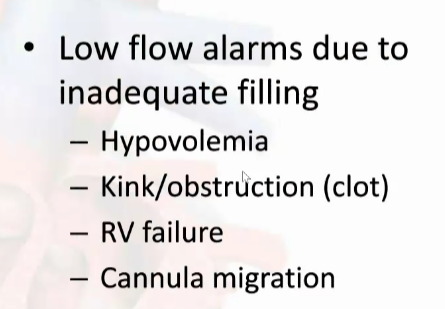

- might not be best flow but some flow at lower speed
- use PAPi to look at RV Low PAPi is predictor of mortality in right sided heart failure
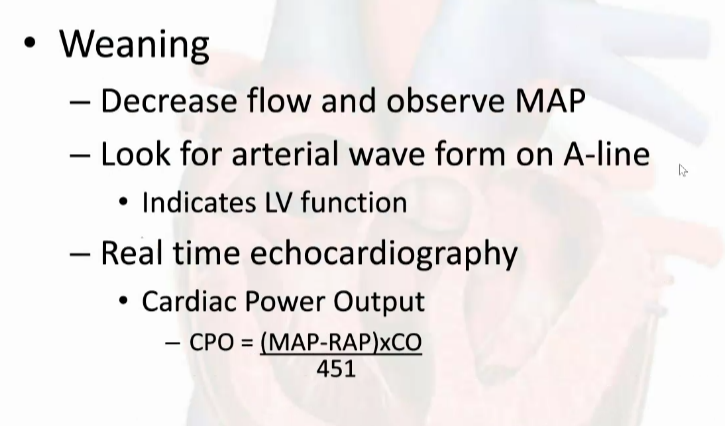
- cardiac power output becoming more useful
- aim for > 0.6, higher is better
- complications: bleed, RV failure, thrombosis1
Outcomes
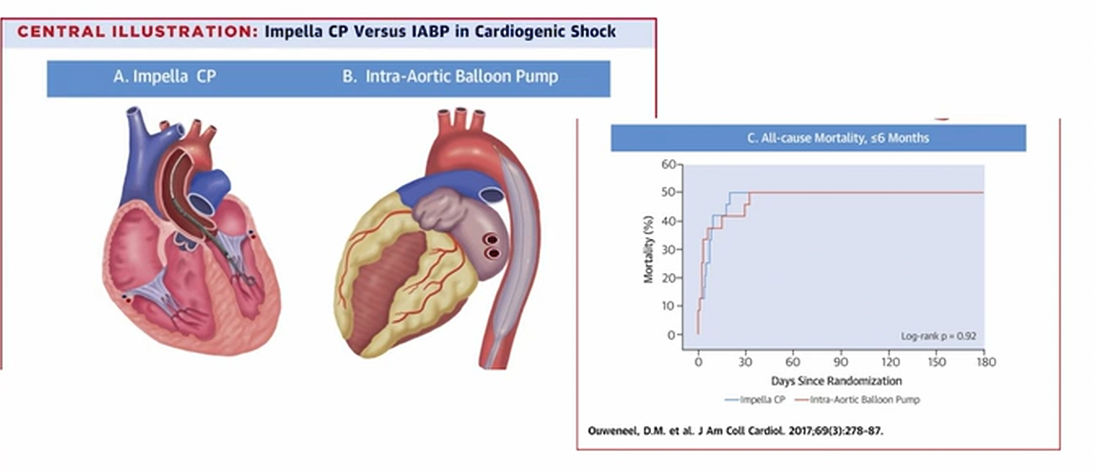
- no difference in outcome compared to IABP2

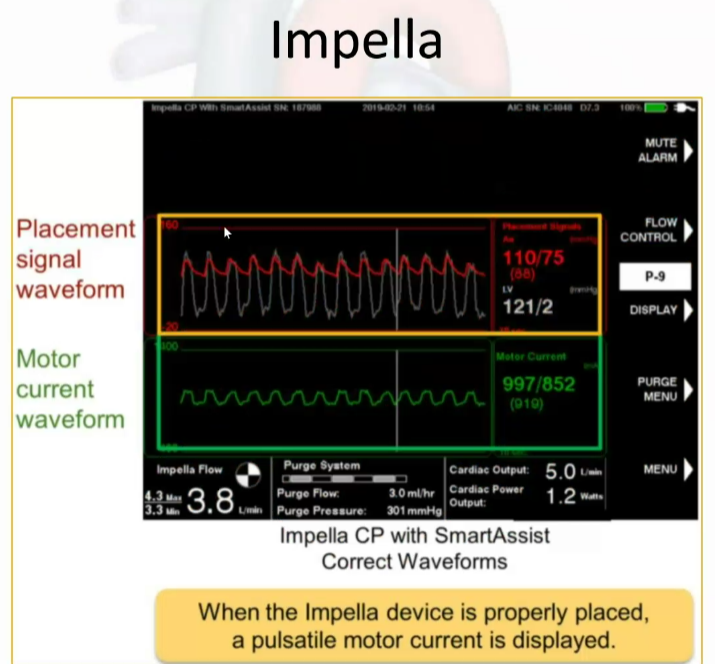
- workflow. Sometimes CP, then ECMO and then 5.5. Days later, turn off ECMO and only on 5.5.
- green: motor current if impella properly placed
- flow is measured
- CO and CPO are calculated
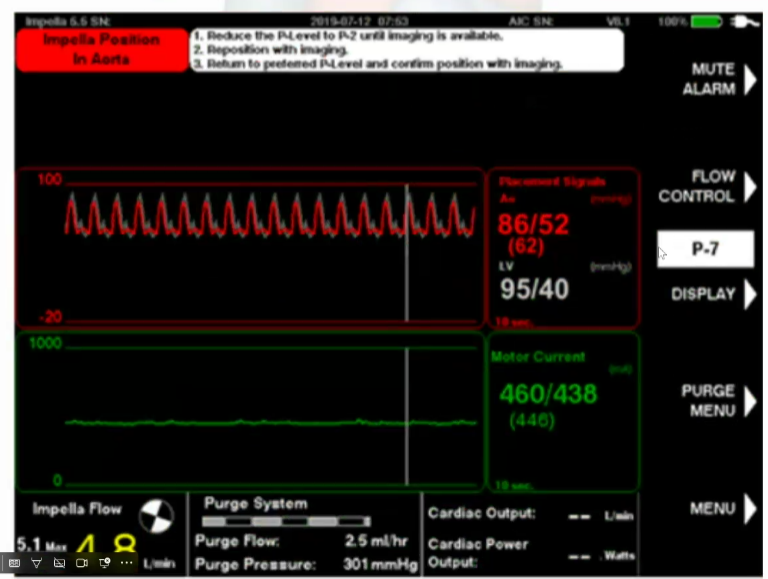
- motor current has no pulsatility
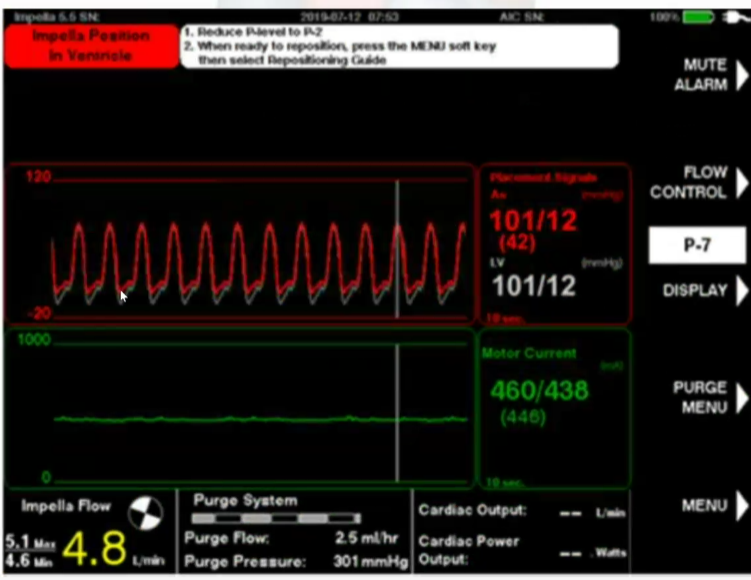
- red line same as LV line
- can probably pull back if patient in extremis and all in ventricle but very rare
Links to this note
-
cardiac support devices types and overview
-
impella cardiac device: aka impella RP or impella RP flex