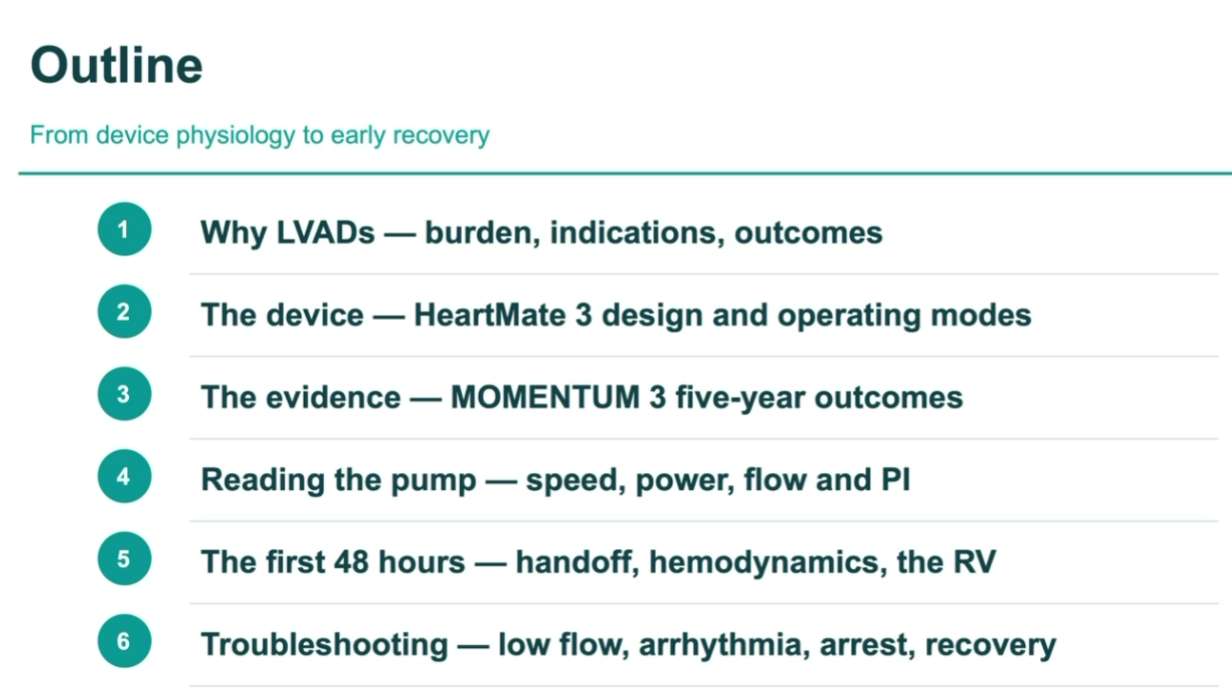
HeartMate 3 LVAD Lecture 9 3
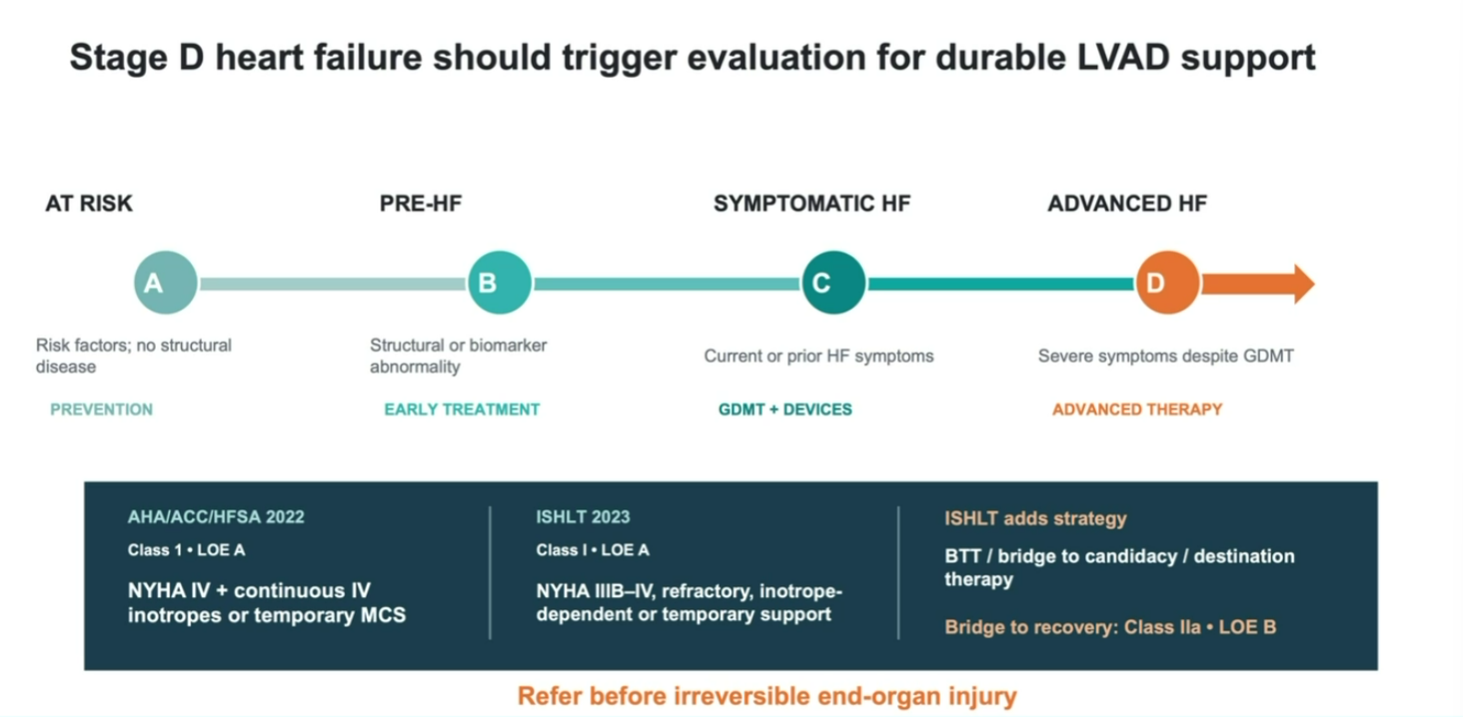
- candidate: advanced heart failure
- class 1 for end stage heart failure, NYHA 5
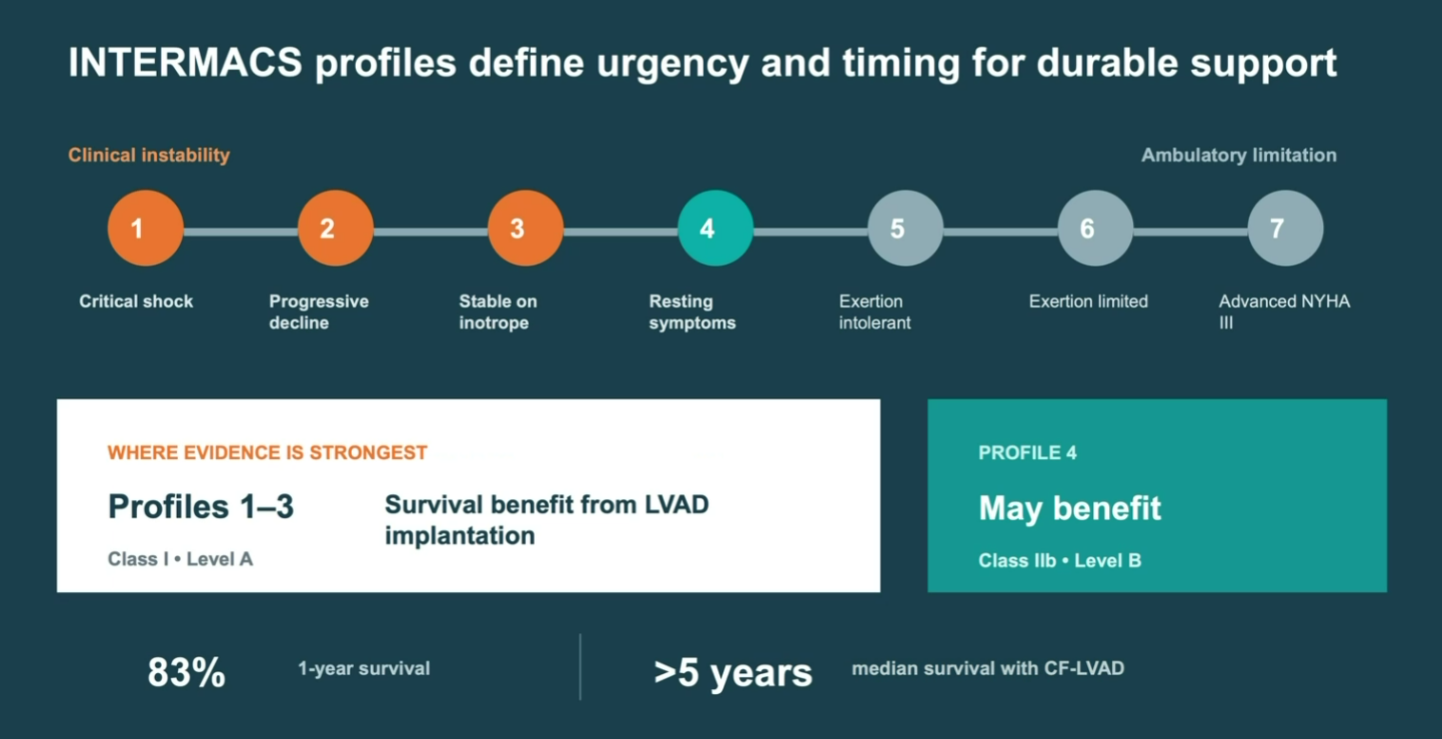
- use INTERMACS profile to describe severity and clinical projectory
- sicker person gets temporary device
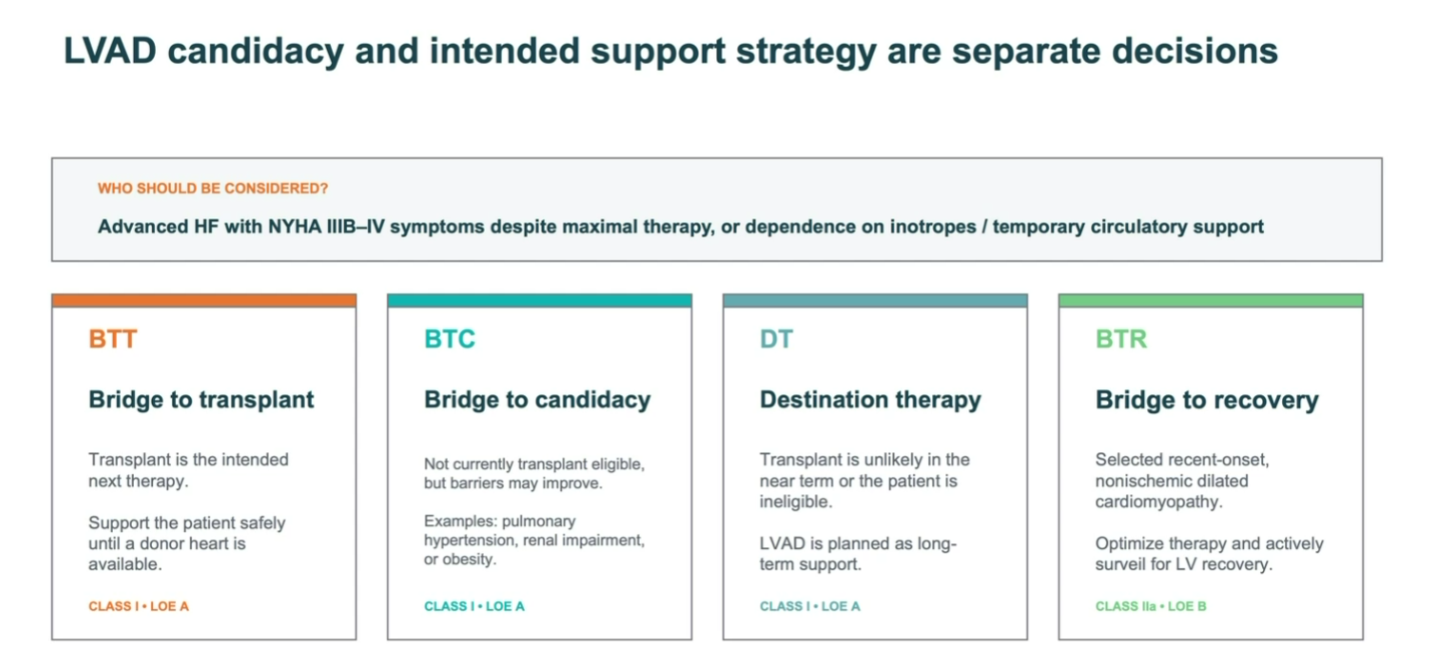
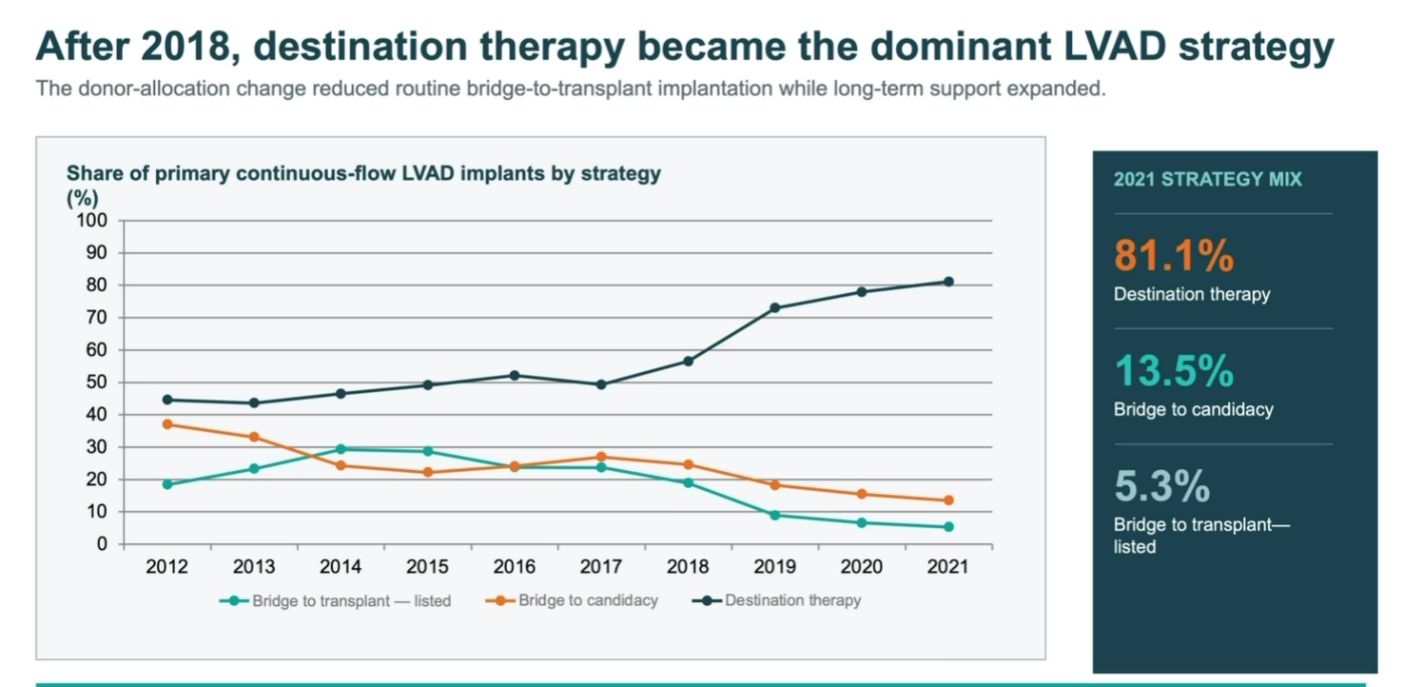
- device implantation must have a strategy for later
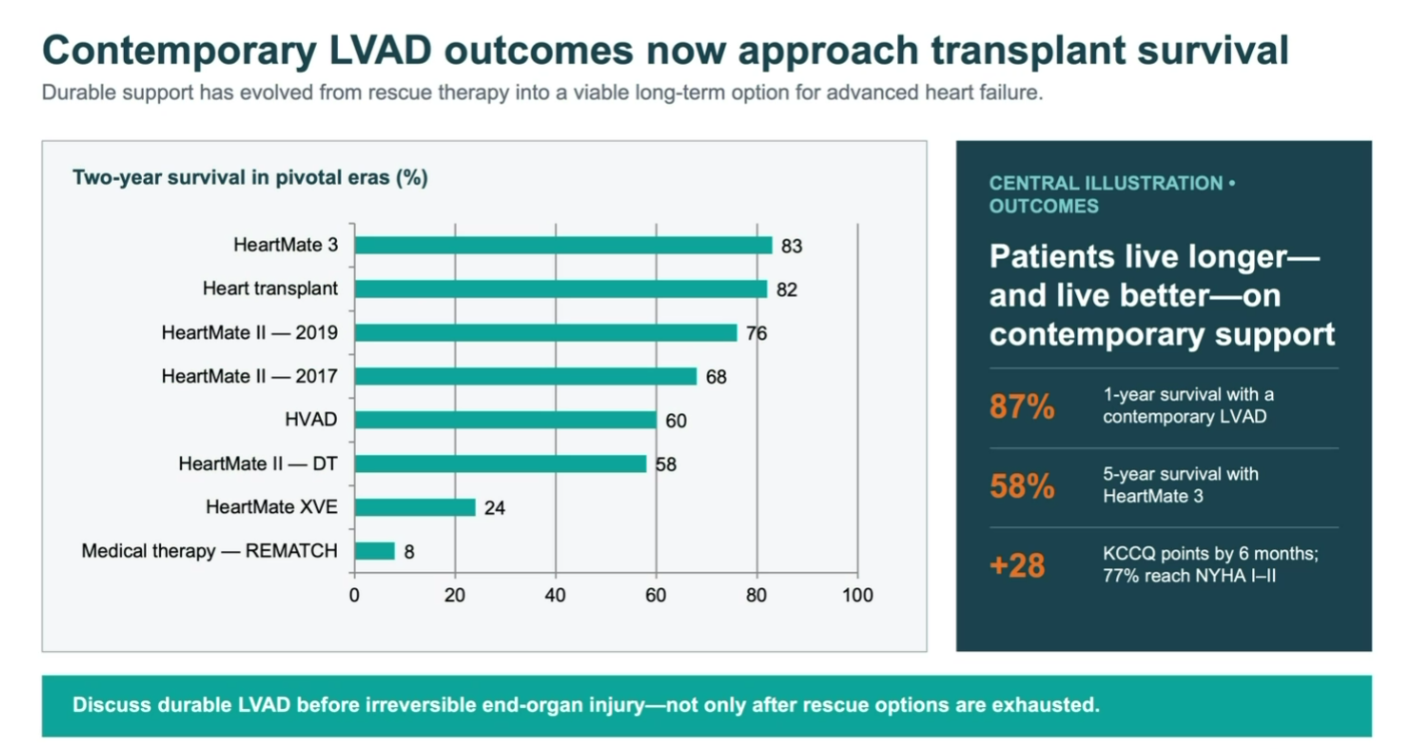
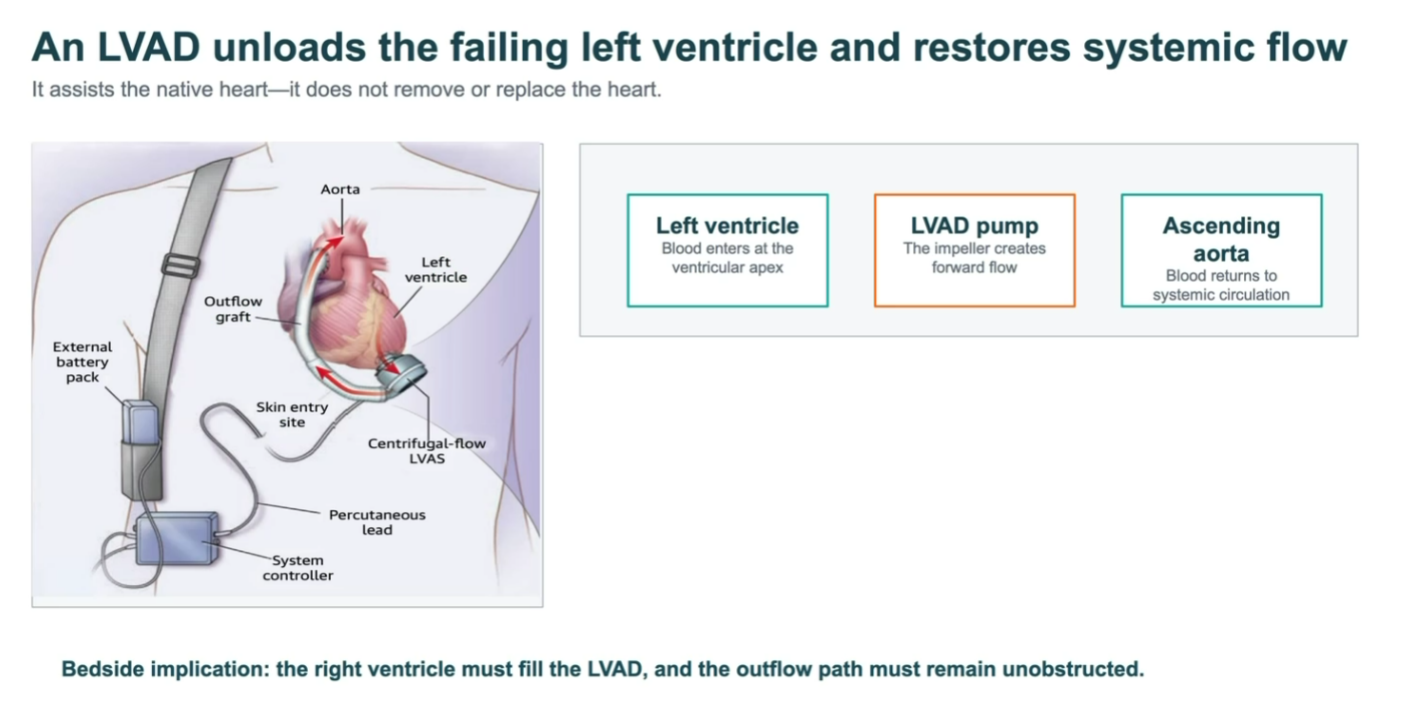
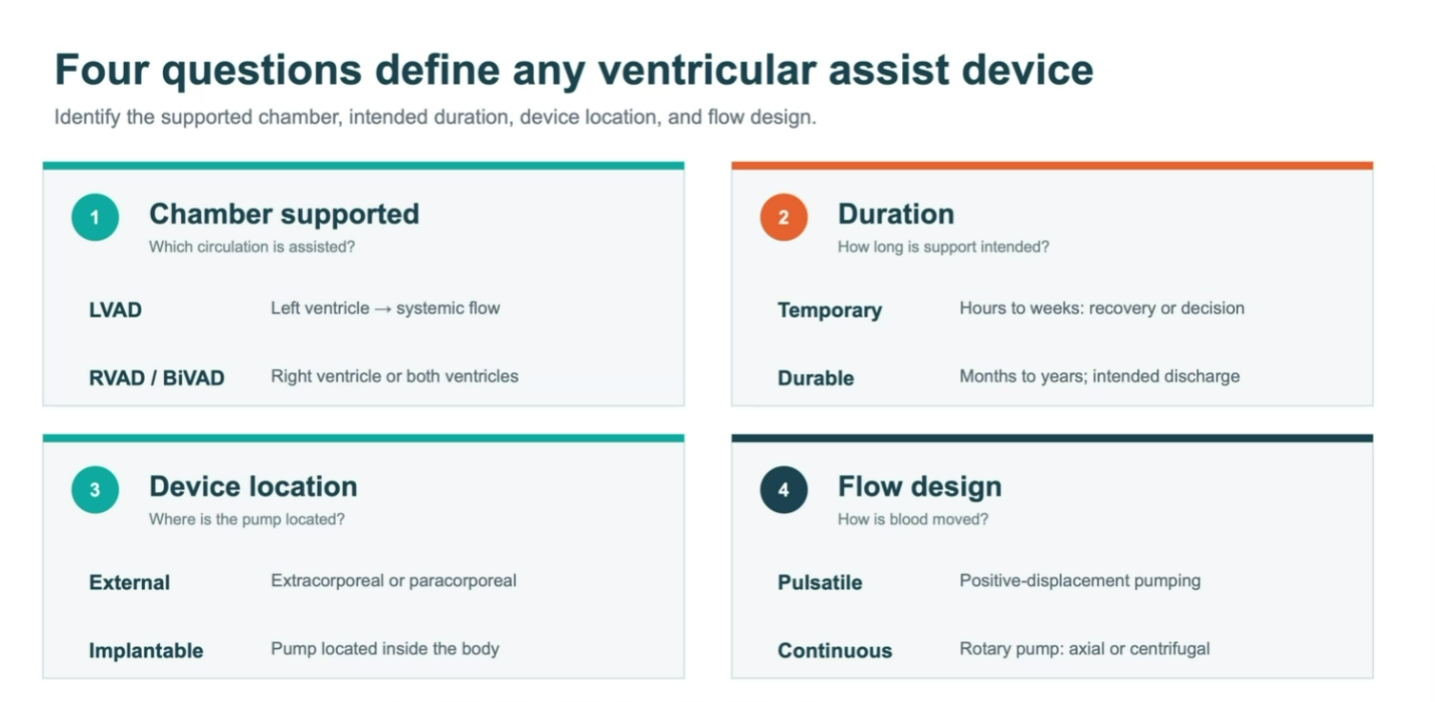
- drains blood from LV and pumps to aorta
- goal to unload LV and improve perfusion
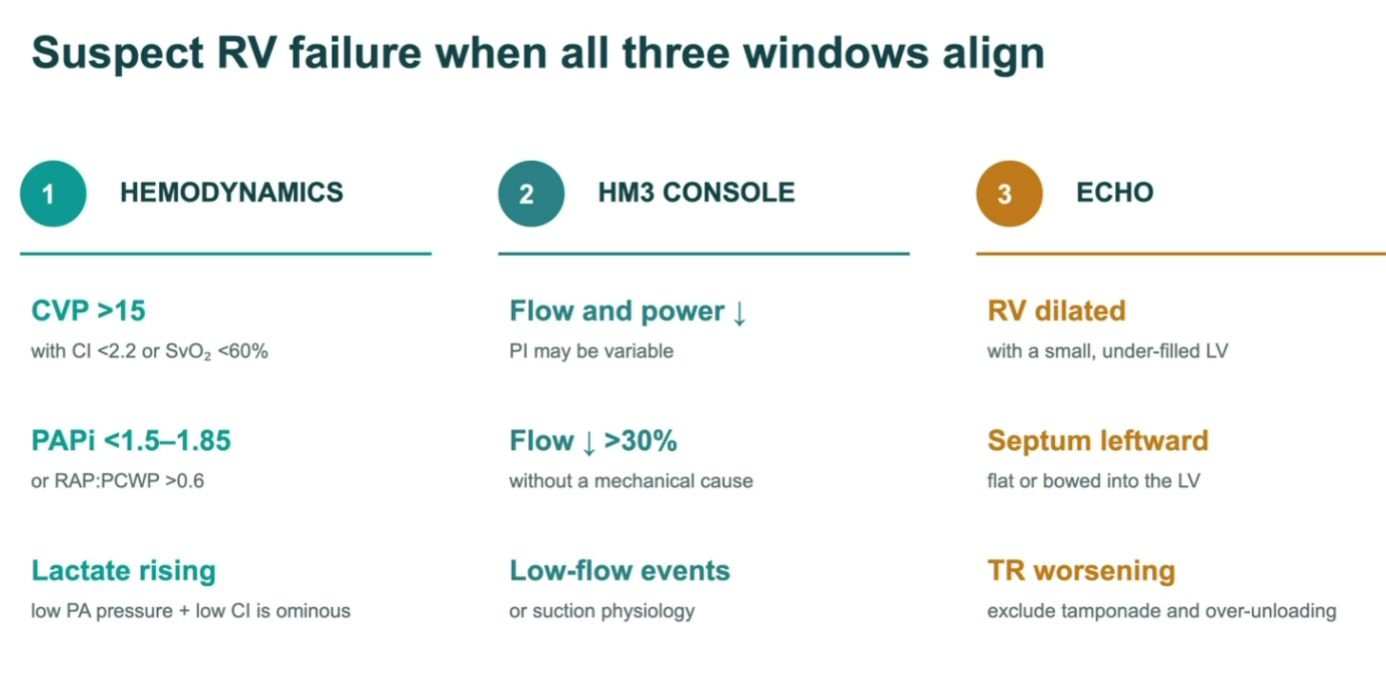
- RV must function well
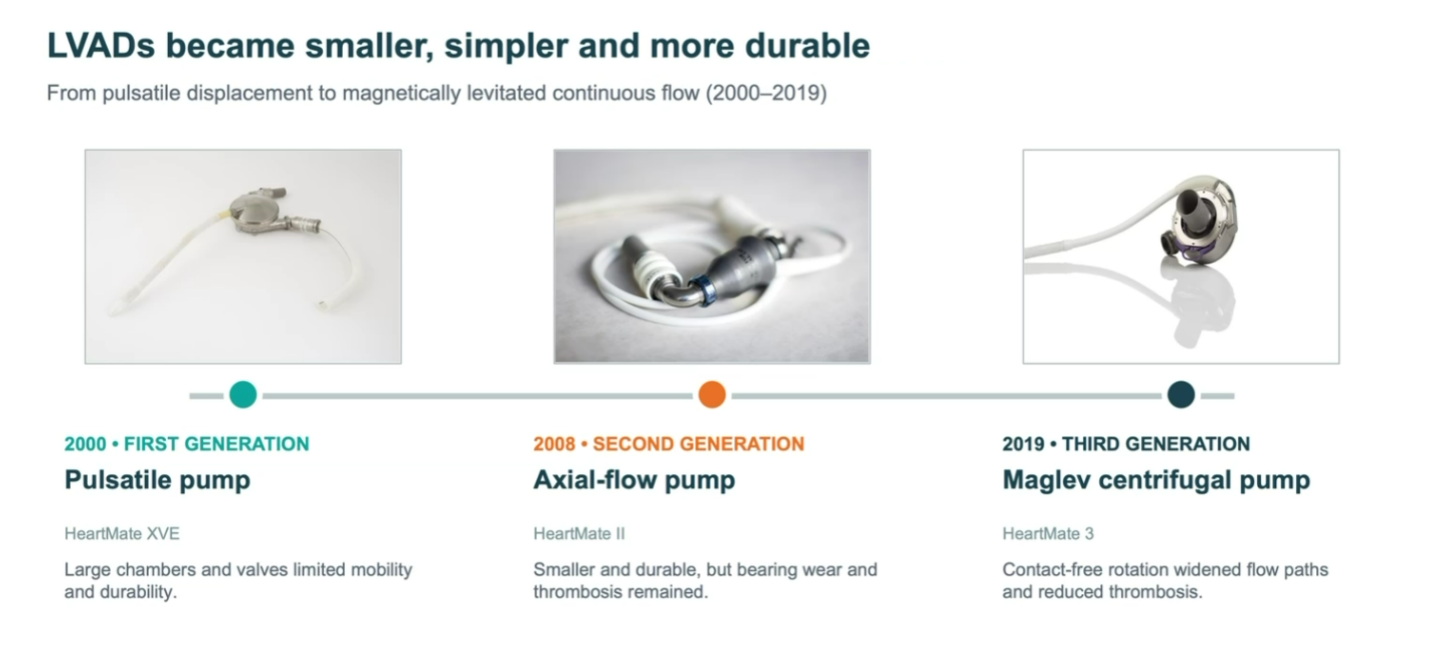
HeartMate 3
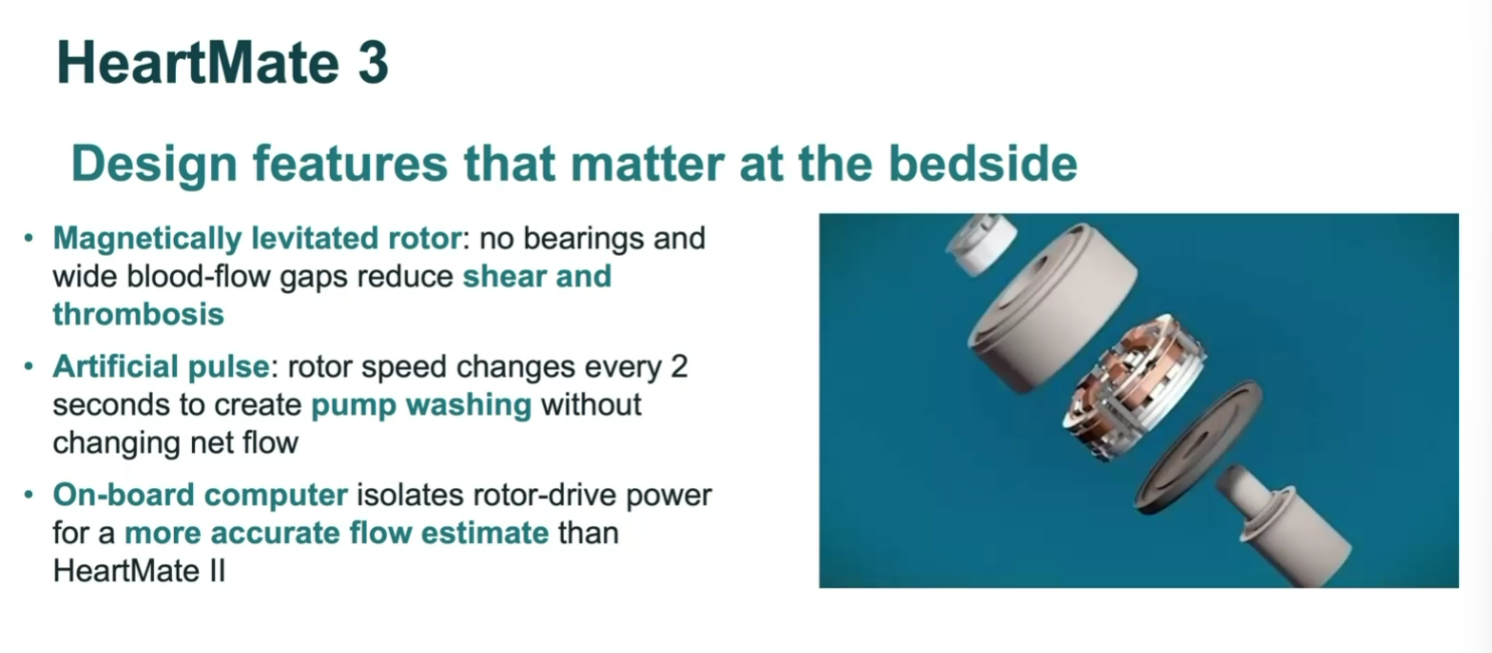
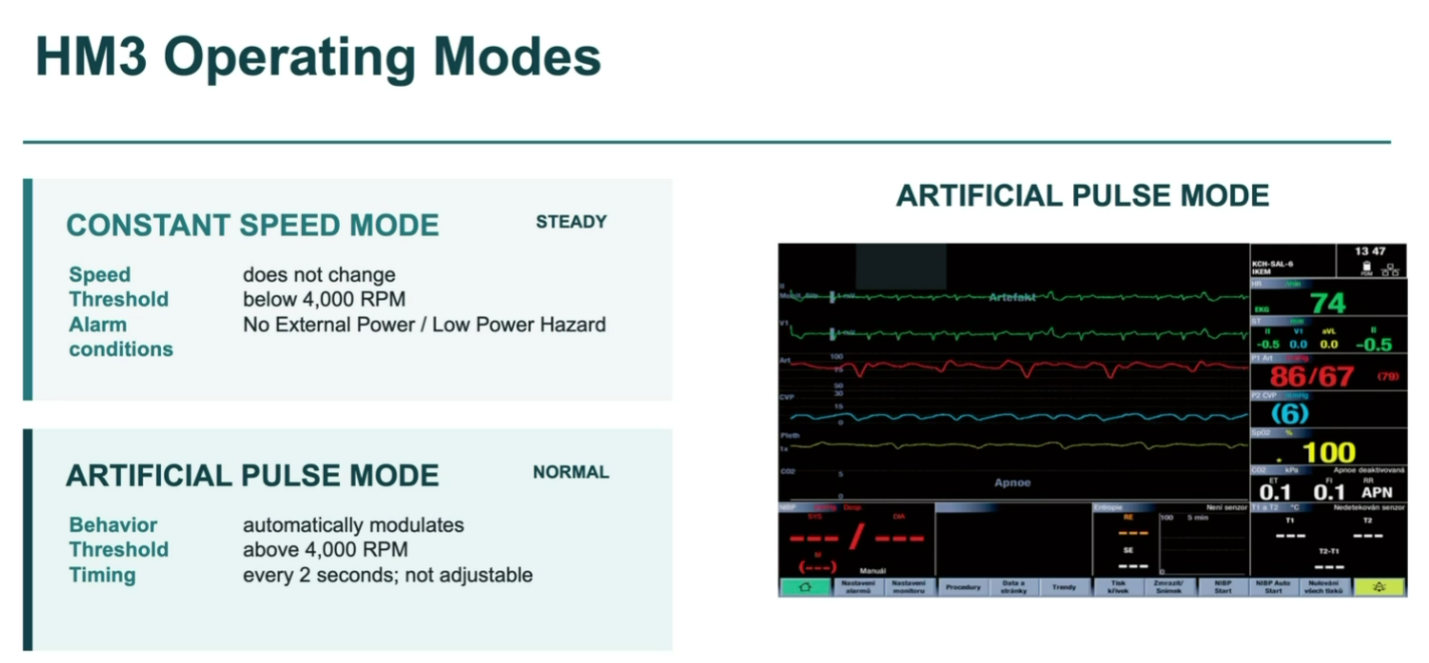
- usually on pulse mode, above 4000 rpm. Has pulsatility
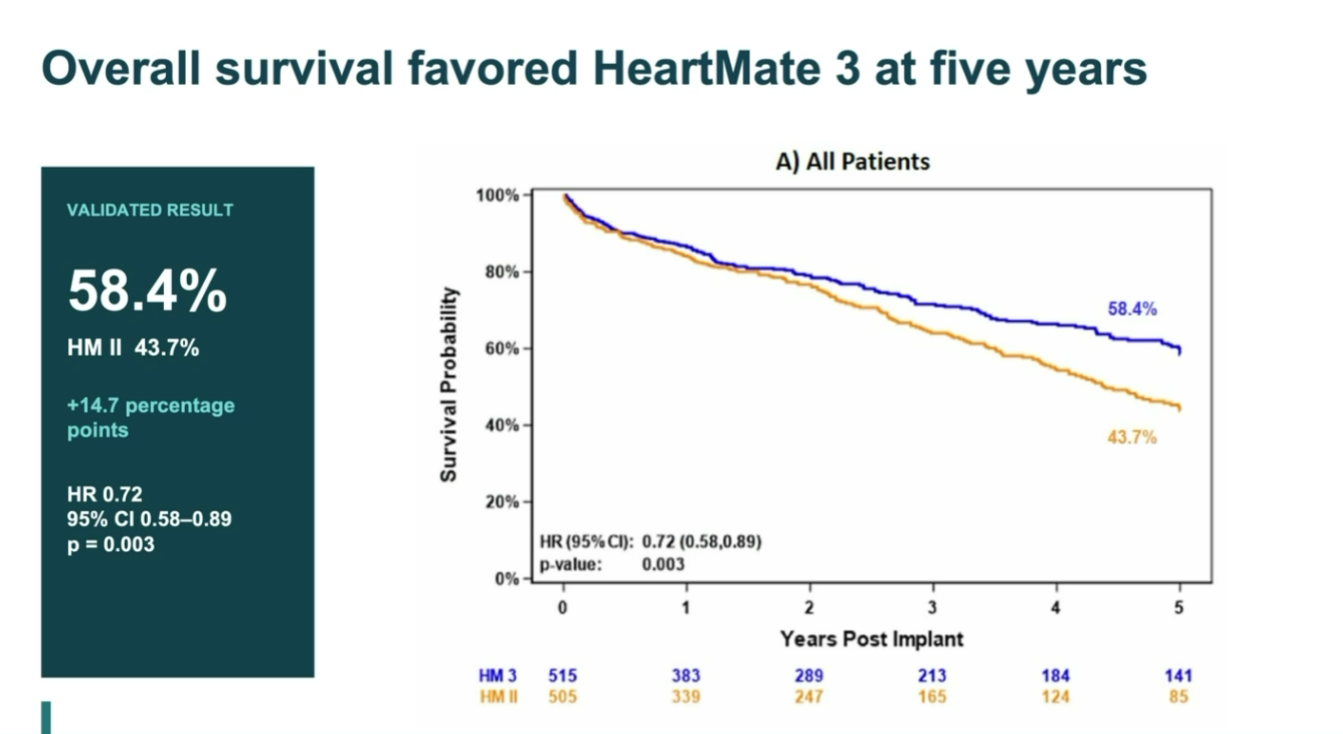
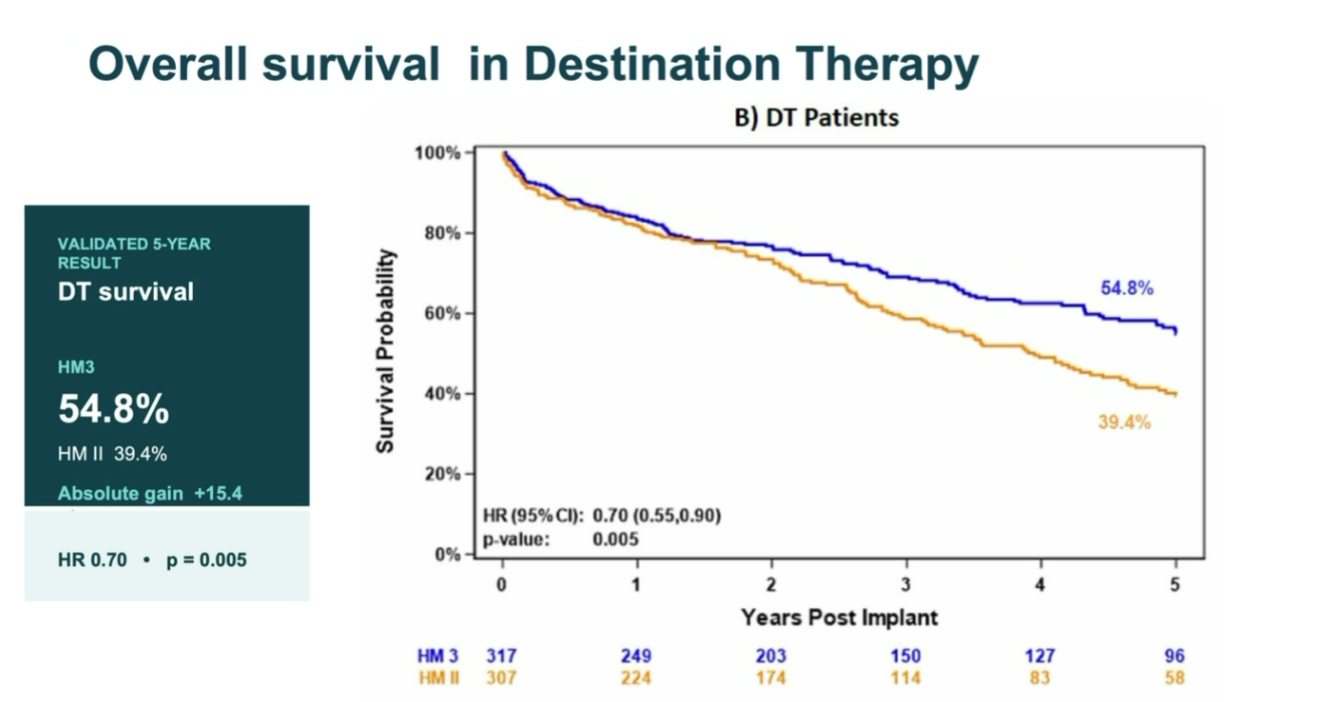
Momentum 3
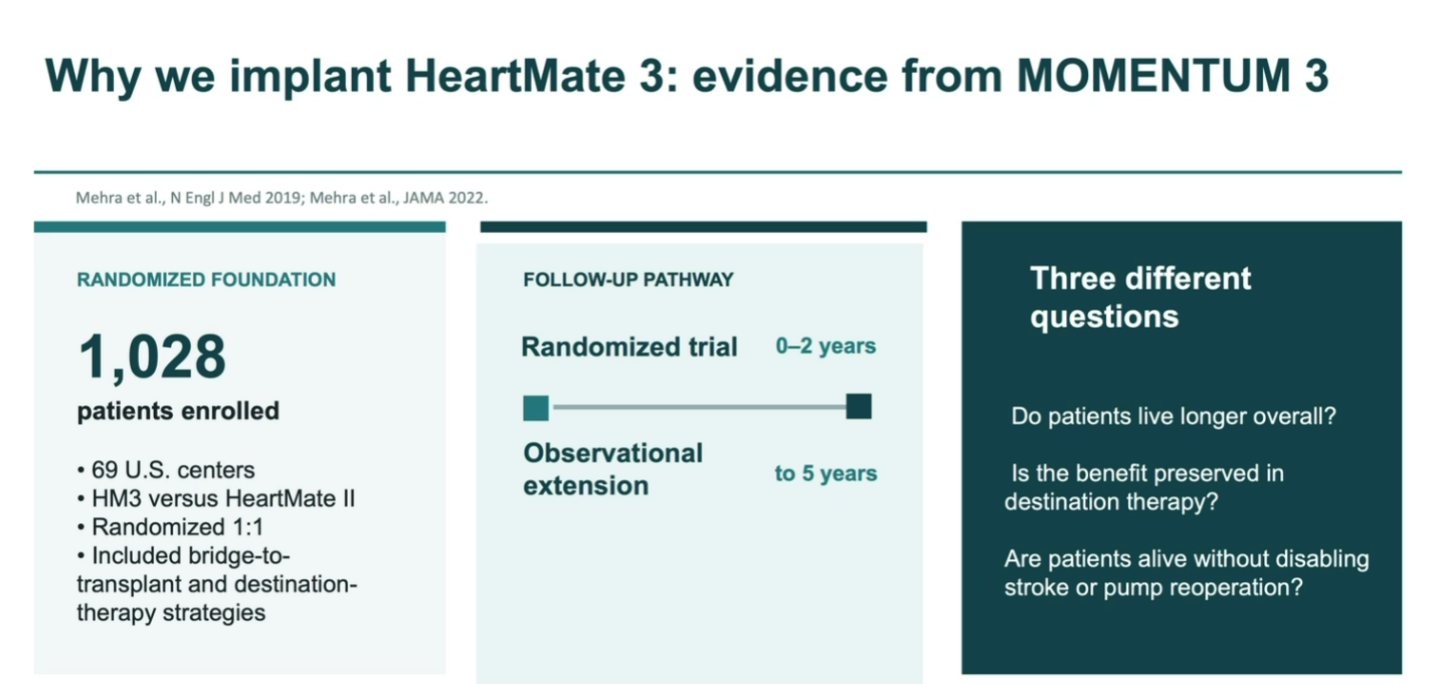
- increased survival overall:
How to Read Parameters
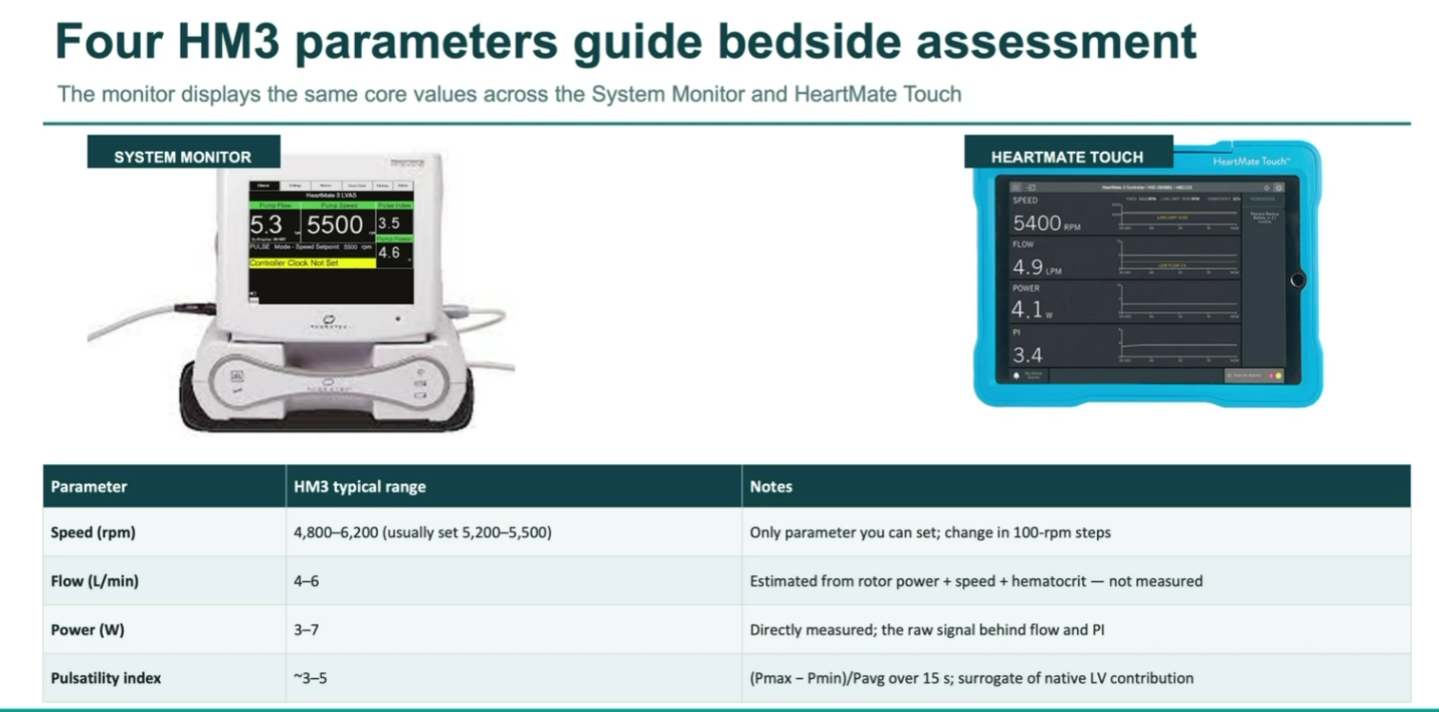
- left: old system
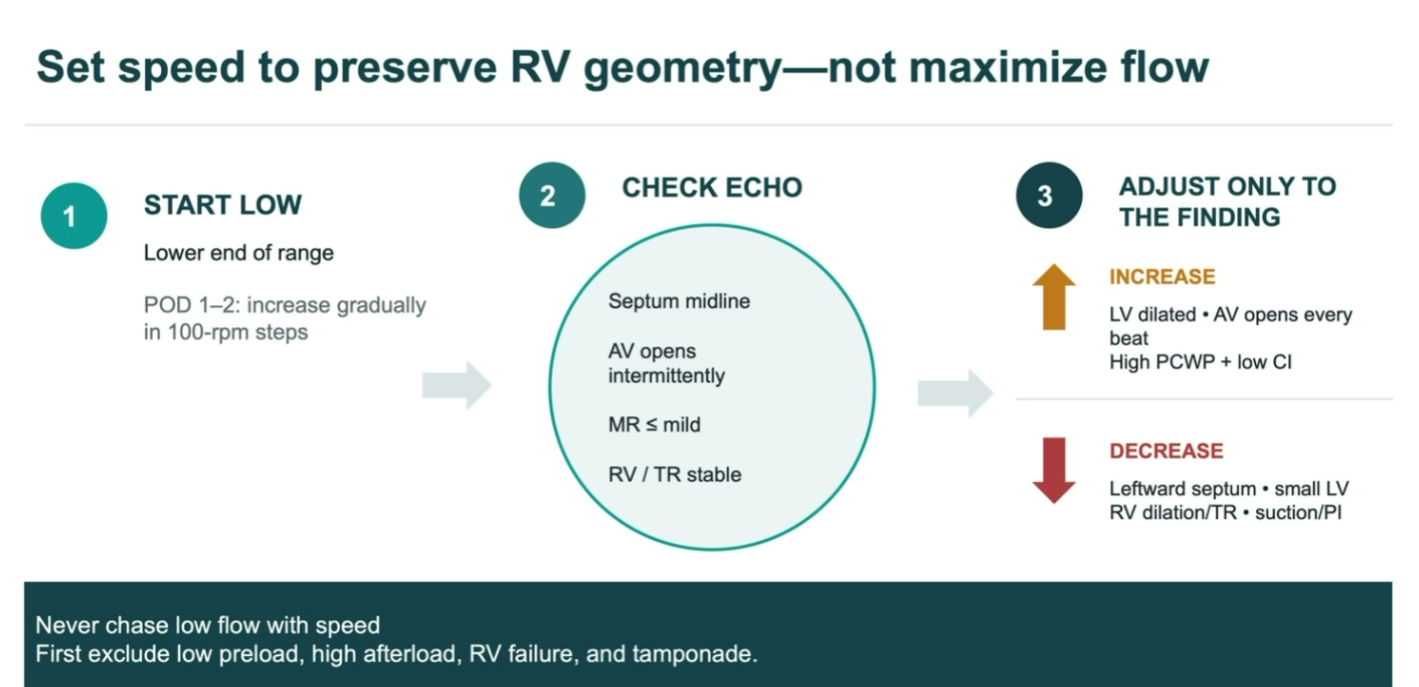
- only set speed
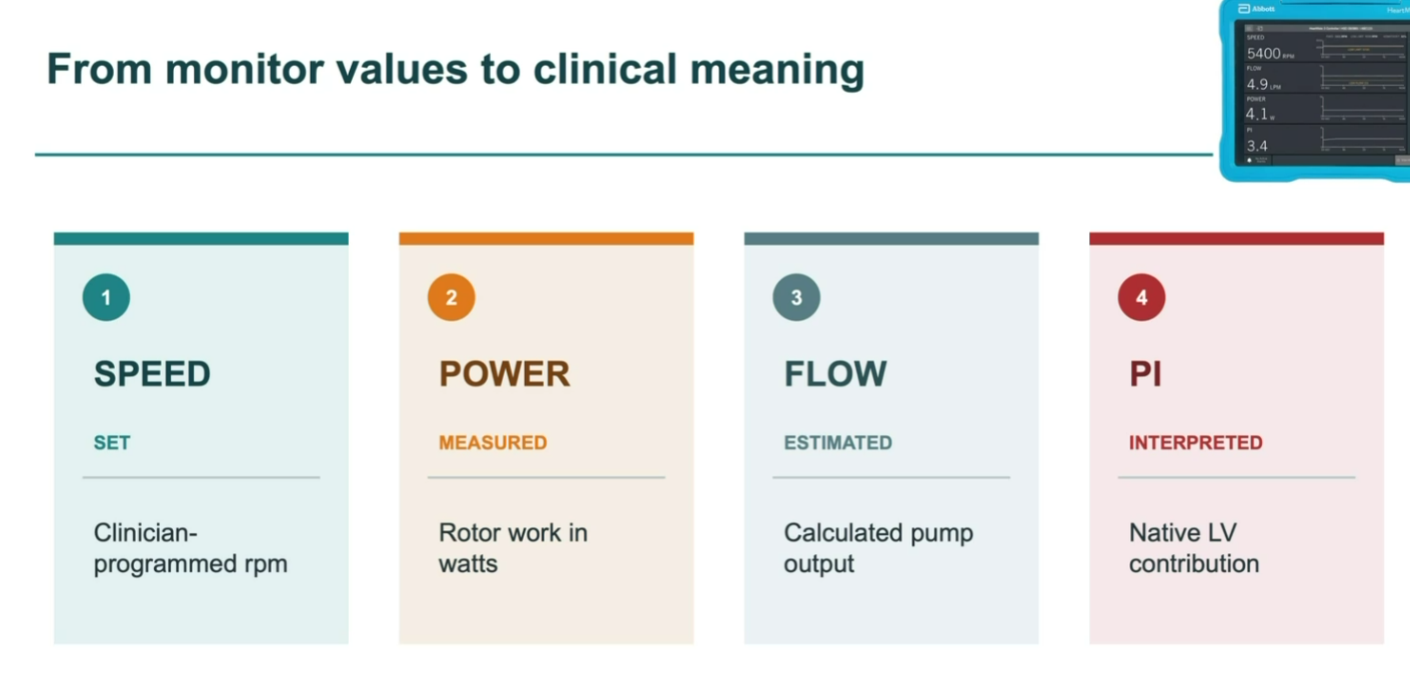
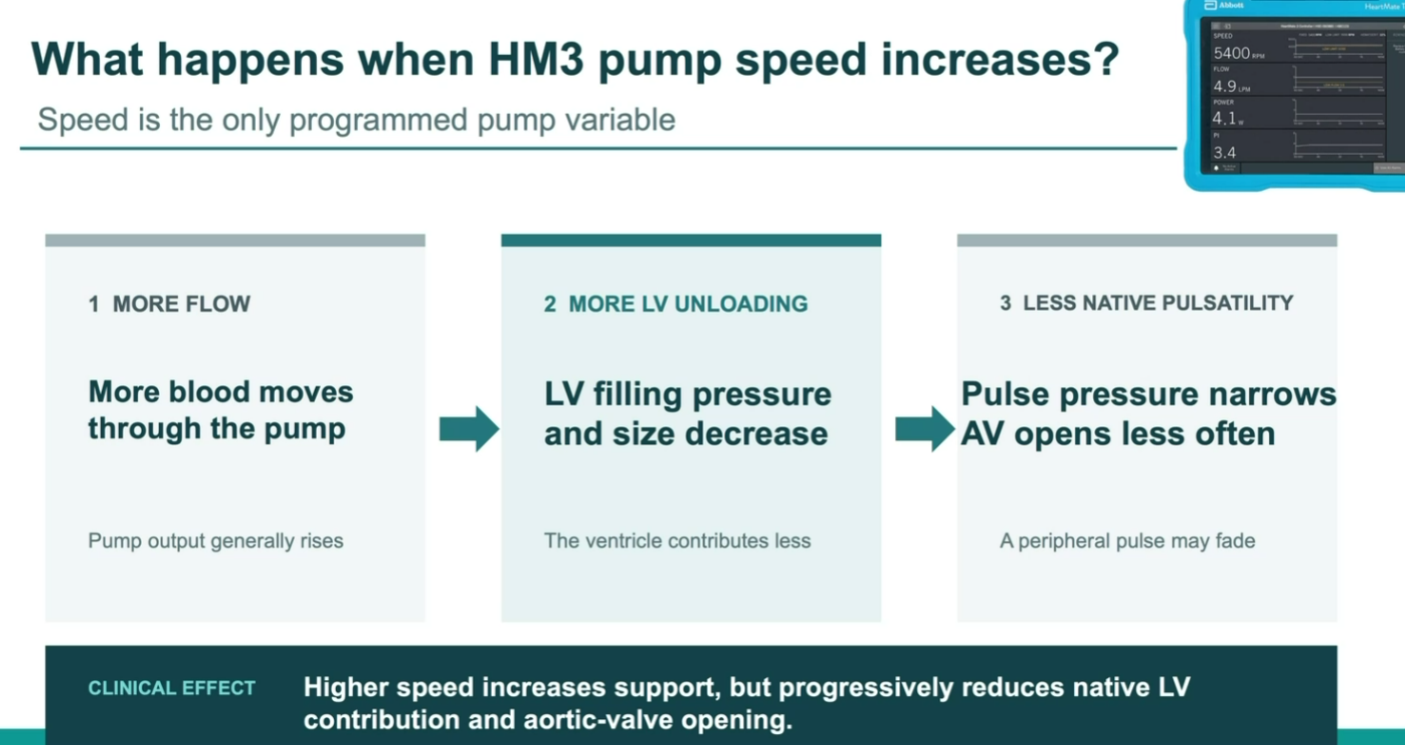
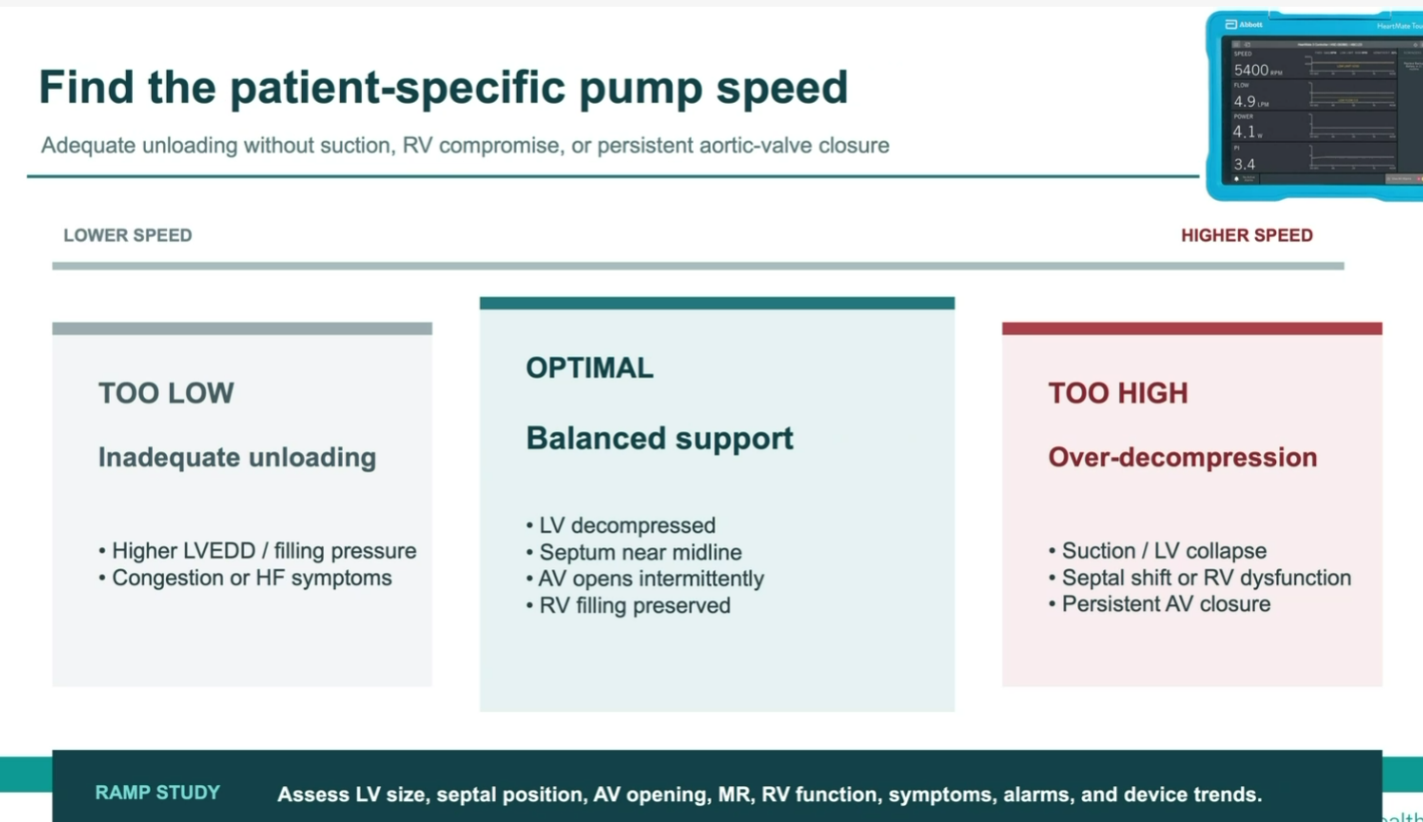
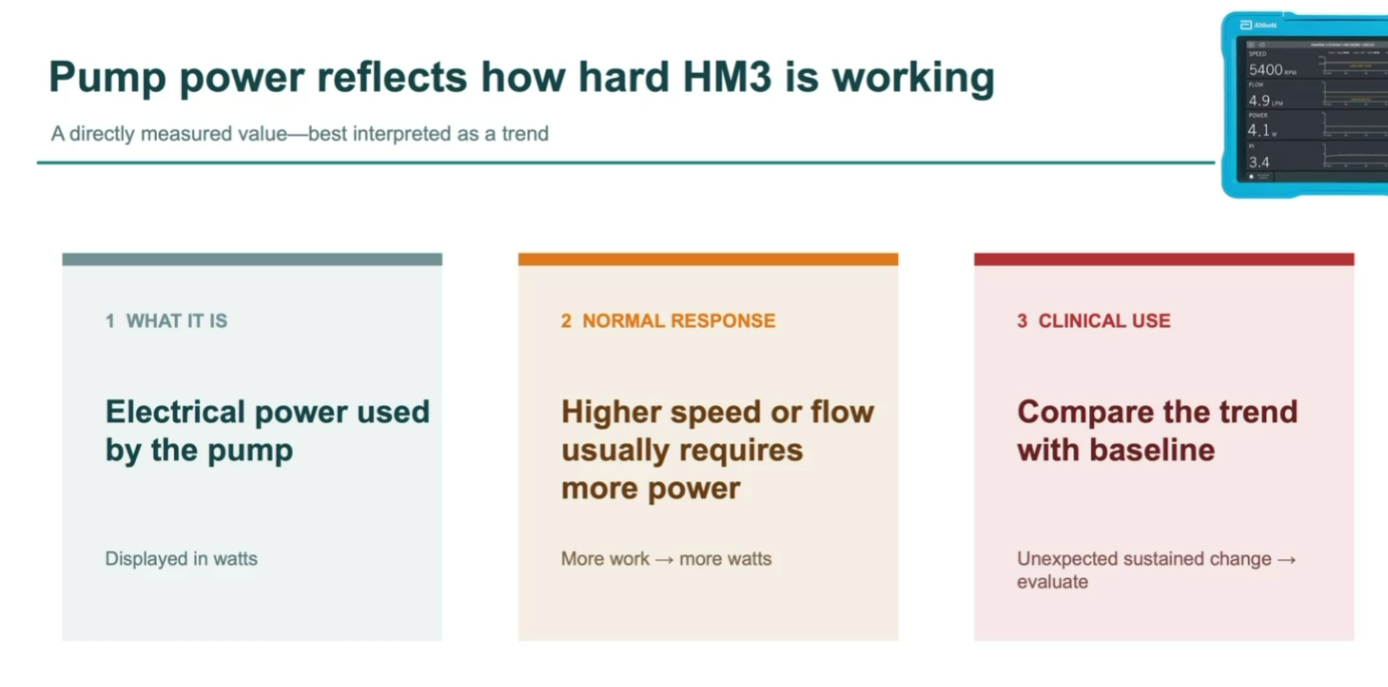
- power: measure of energy required by the device
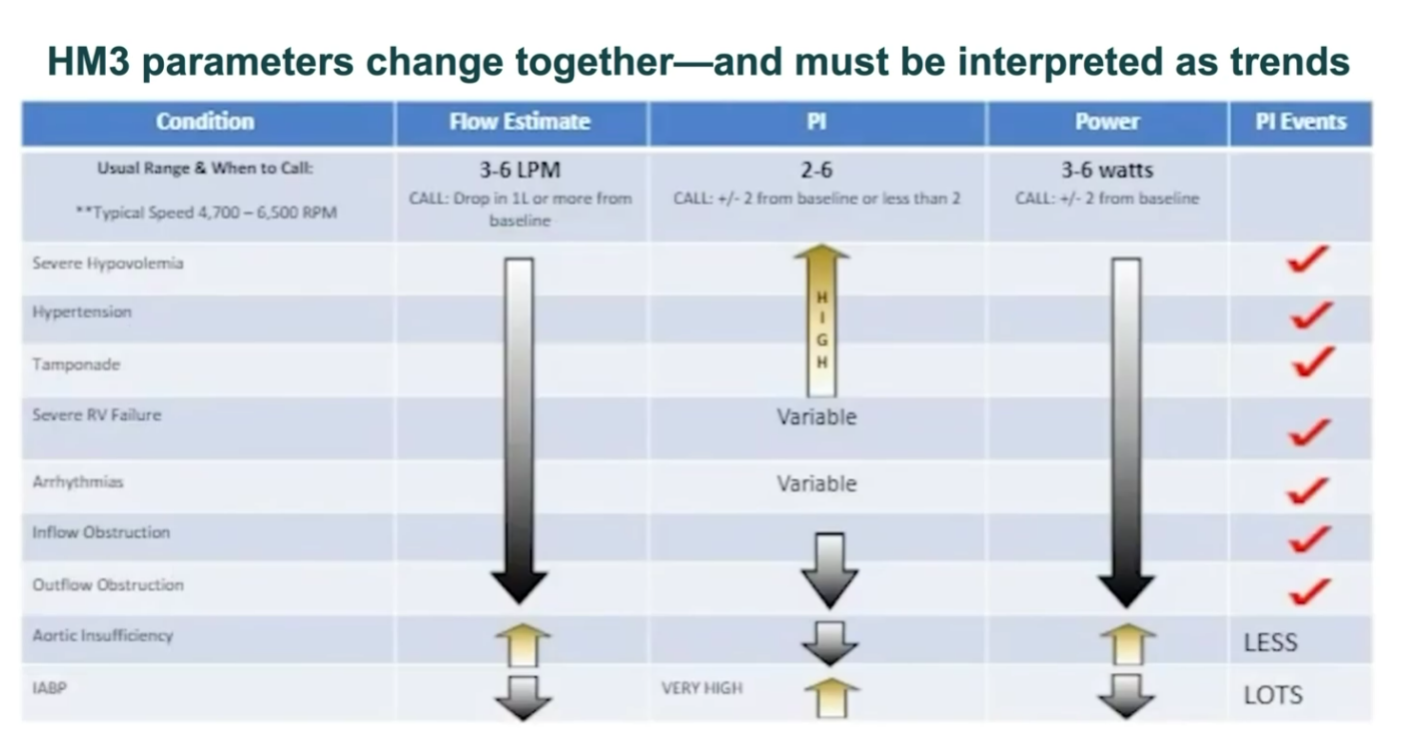
- look at trend over time
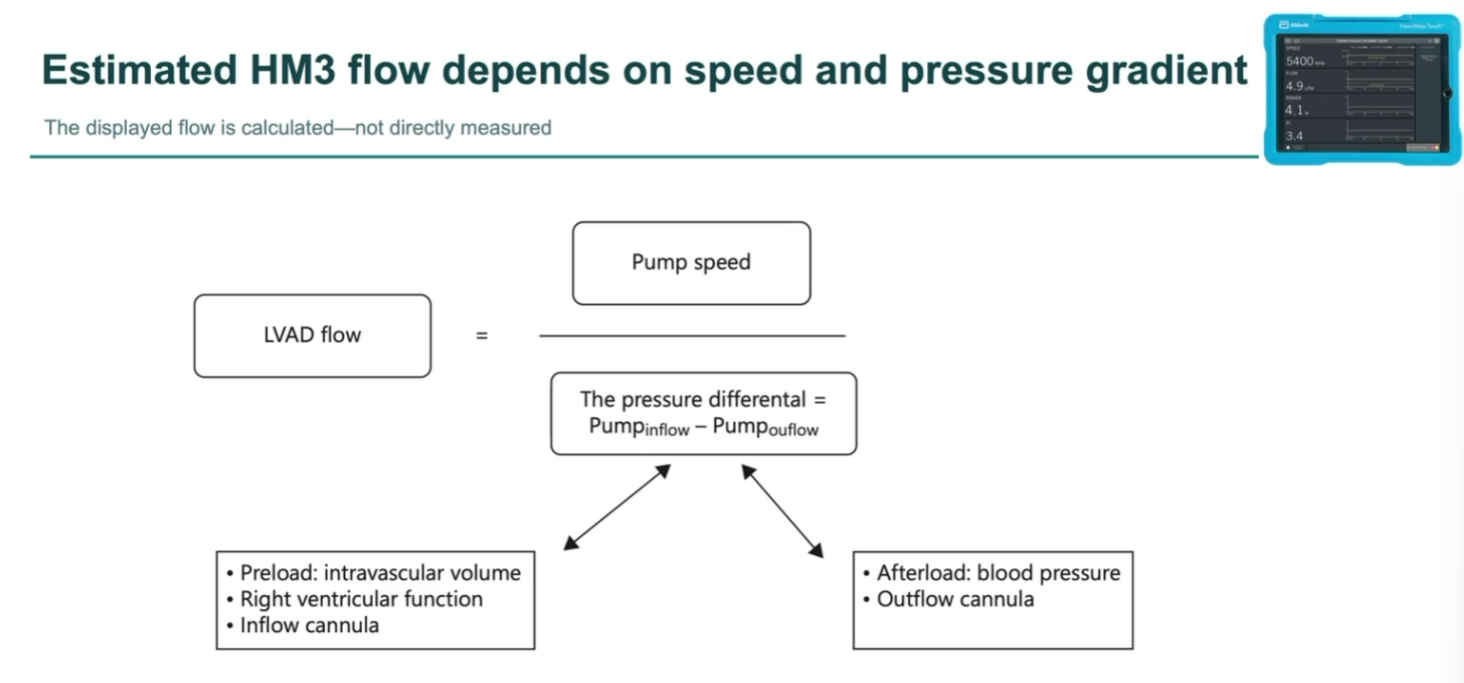
- if pressure differential increase, flow would decrease
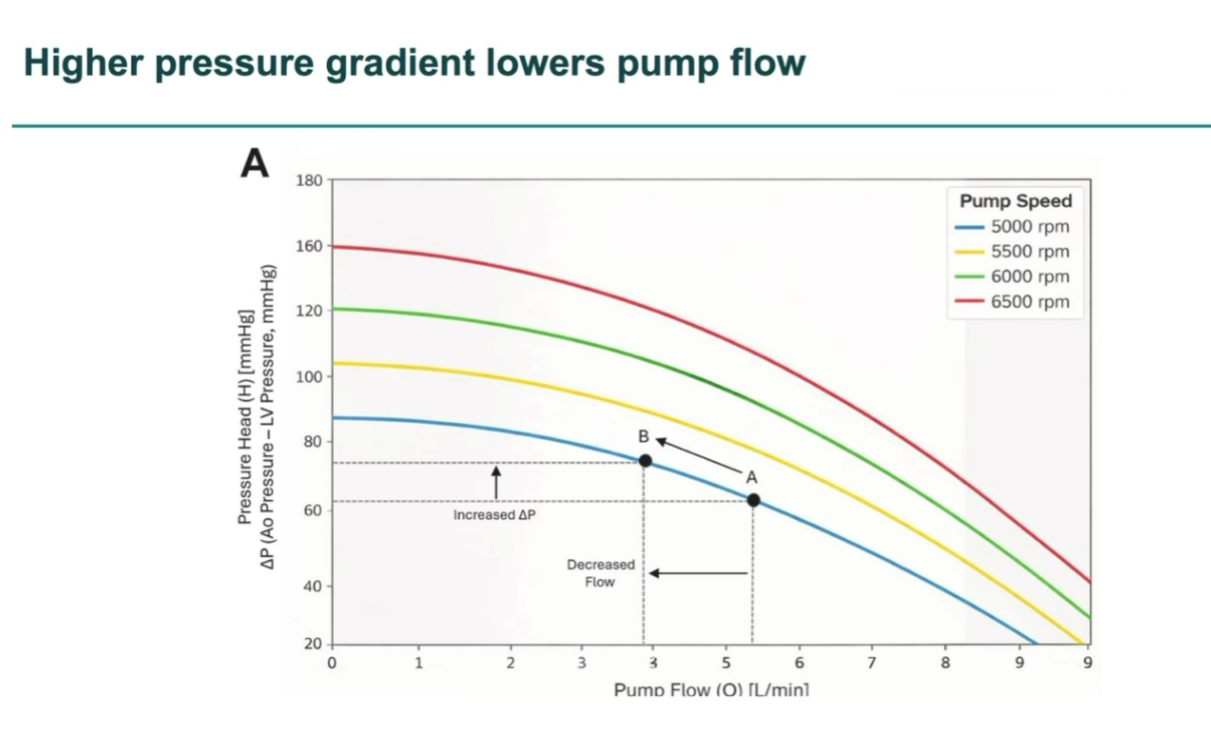
- when keep same speed, when pressure gradient increase, flow decreases
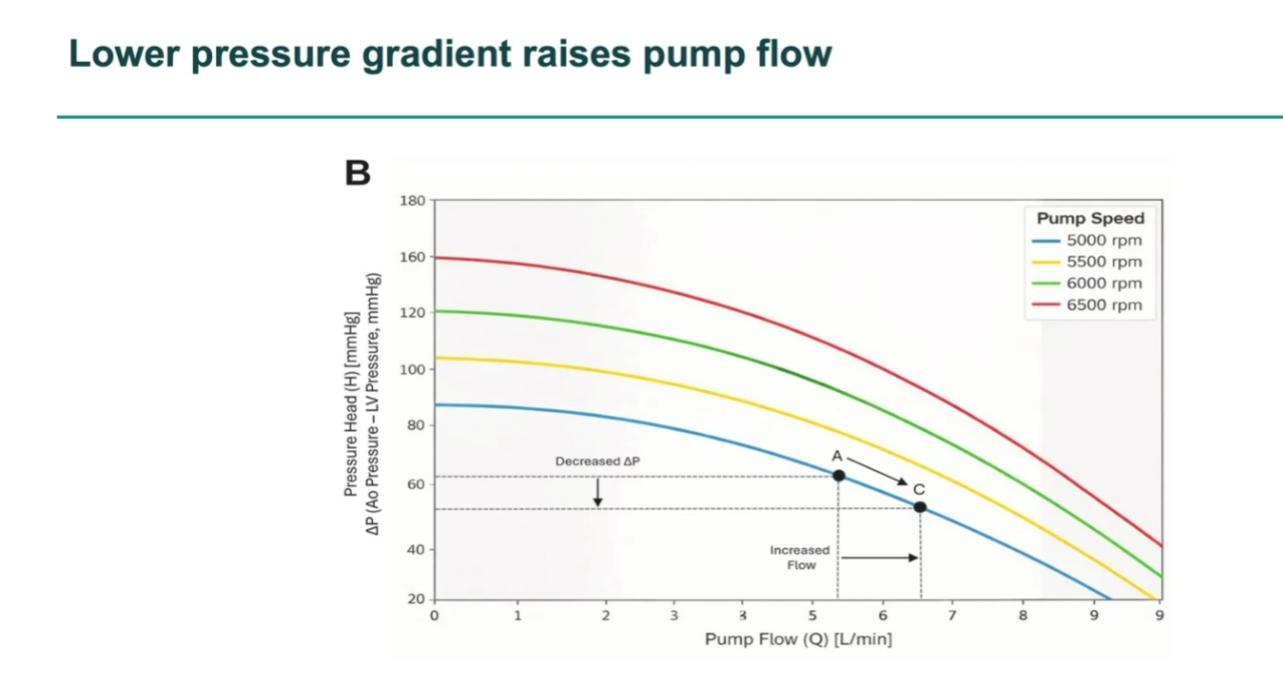
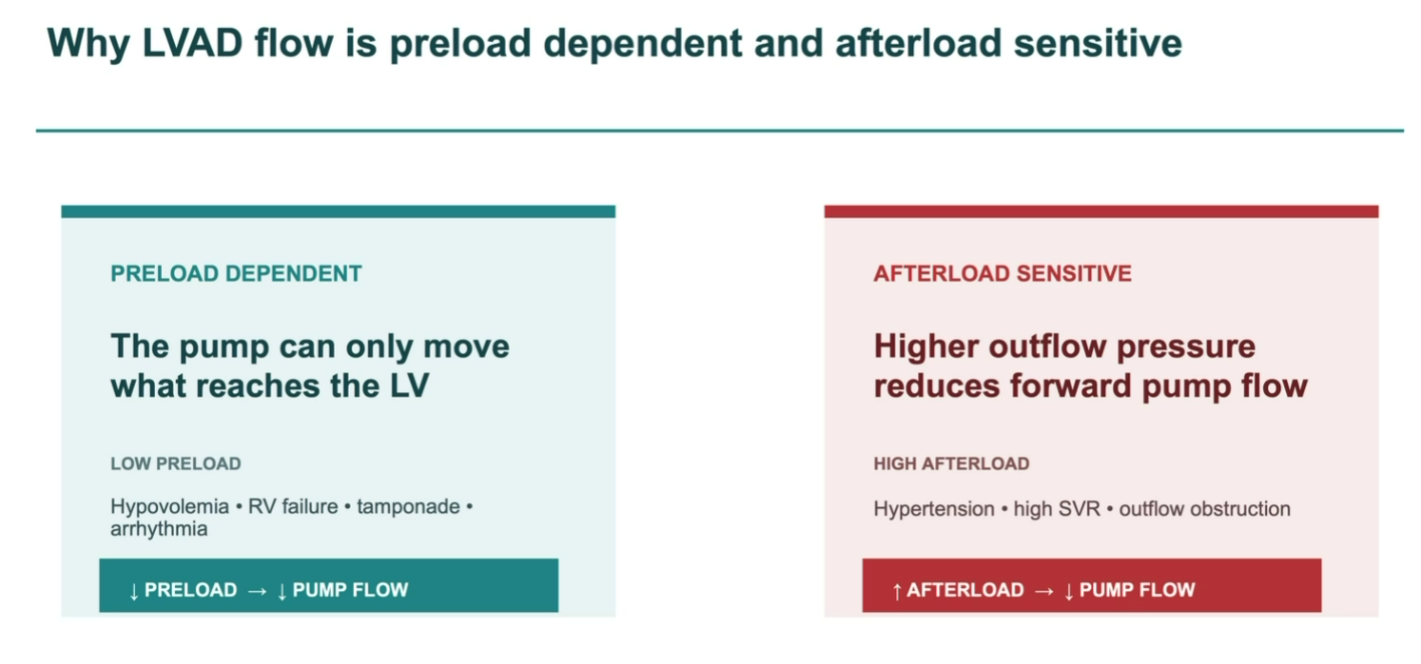
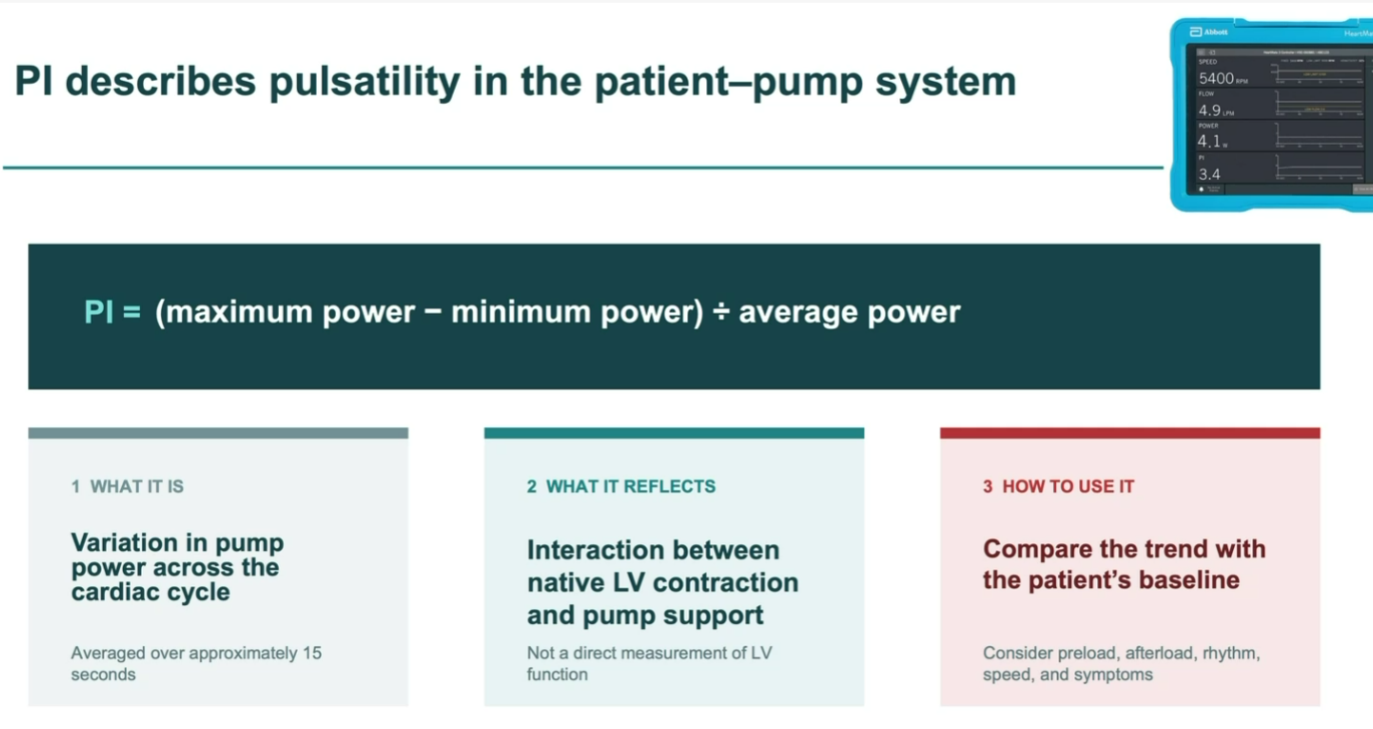
- the more LV contracts, more variation in LV size/volume, more variation in PI
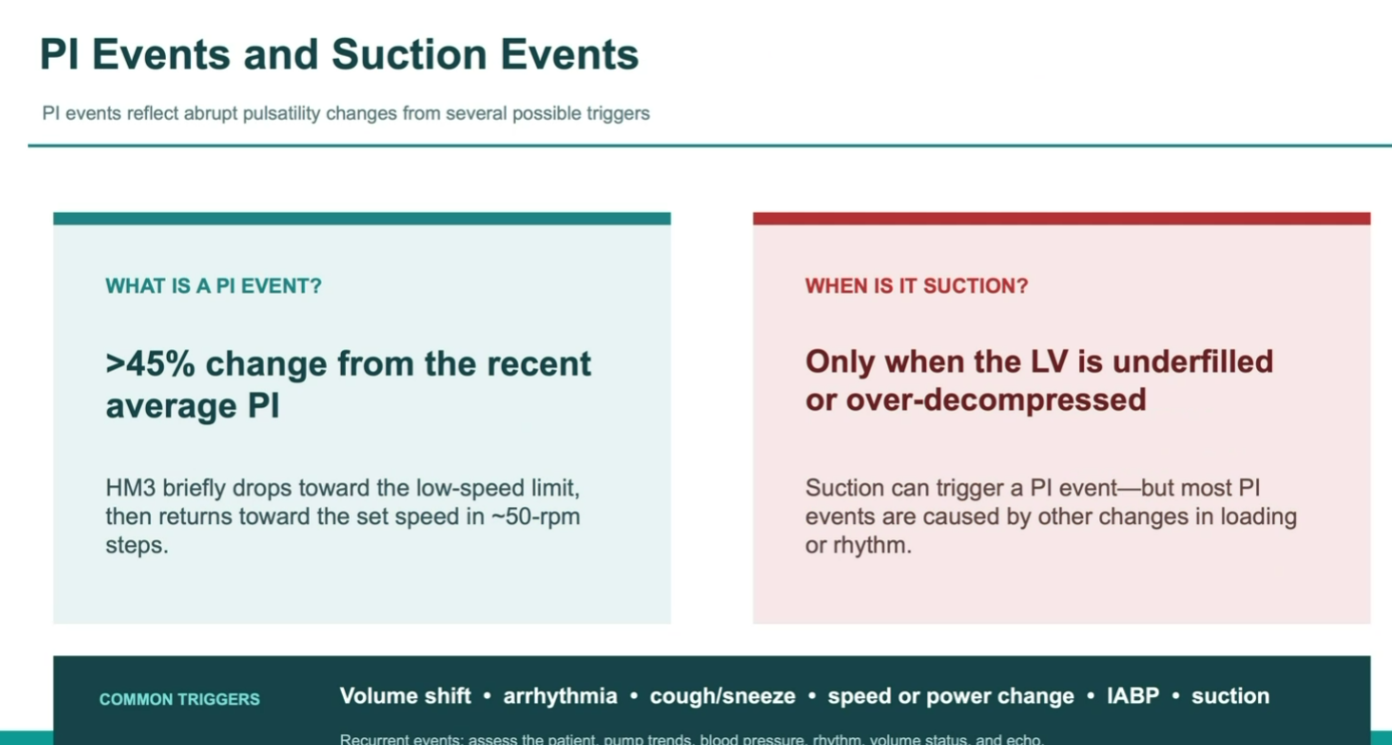
- changes in HR, balloon pump, patient sneezing/coughing
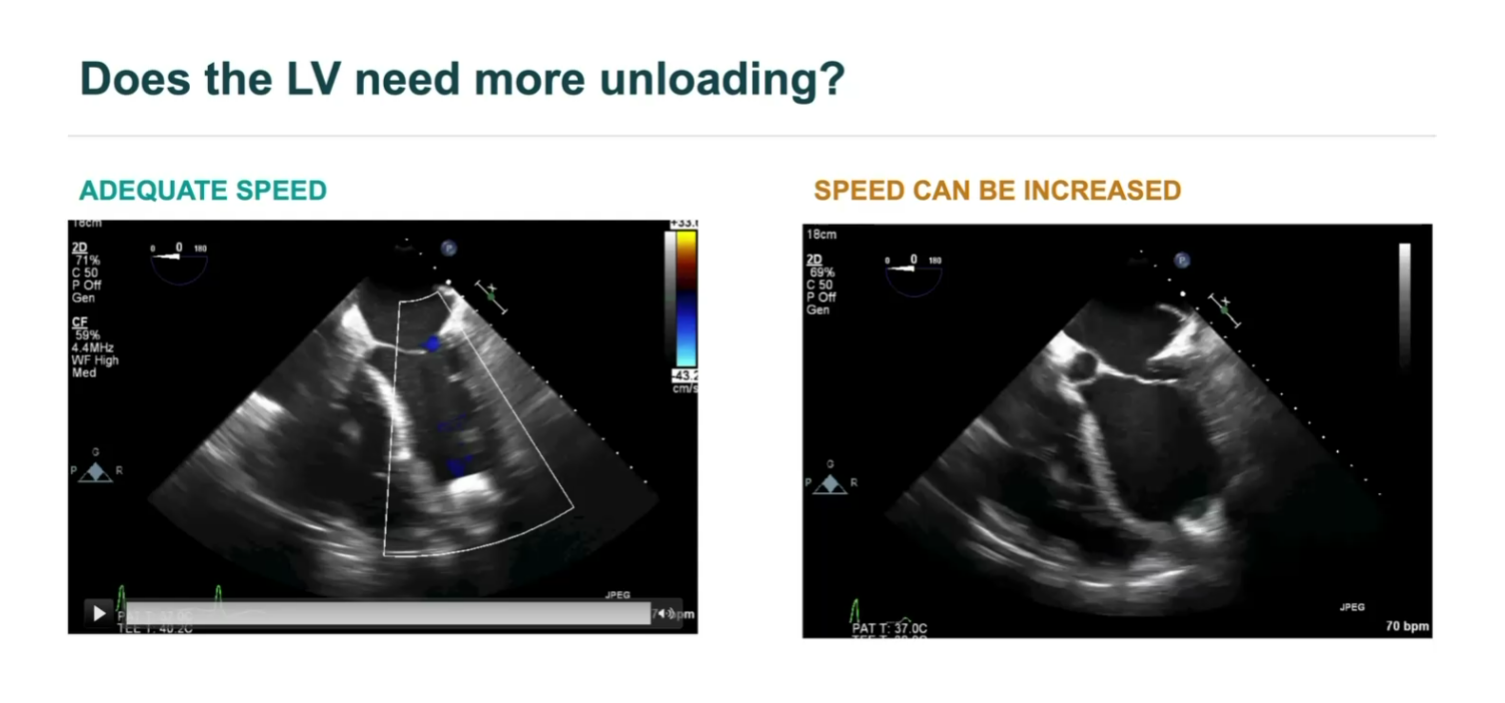
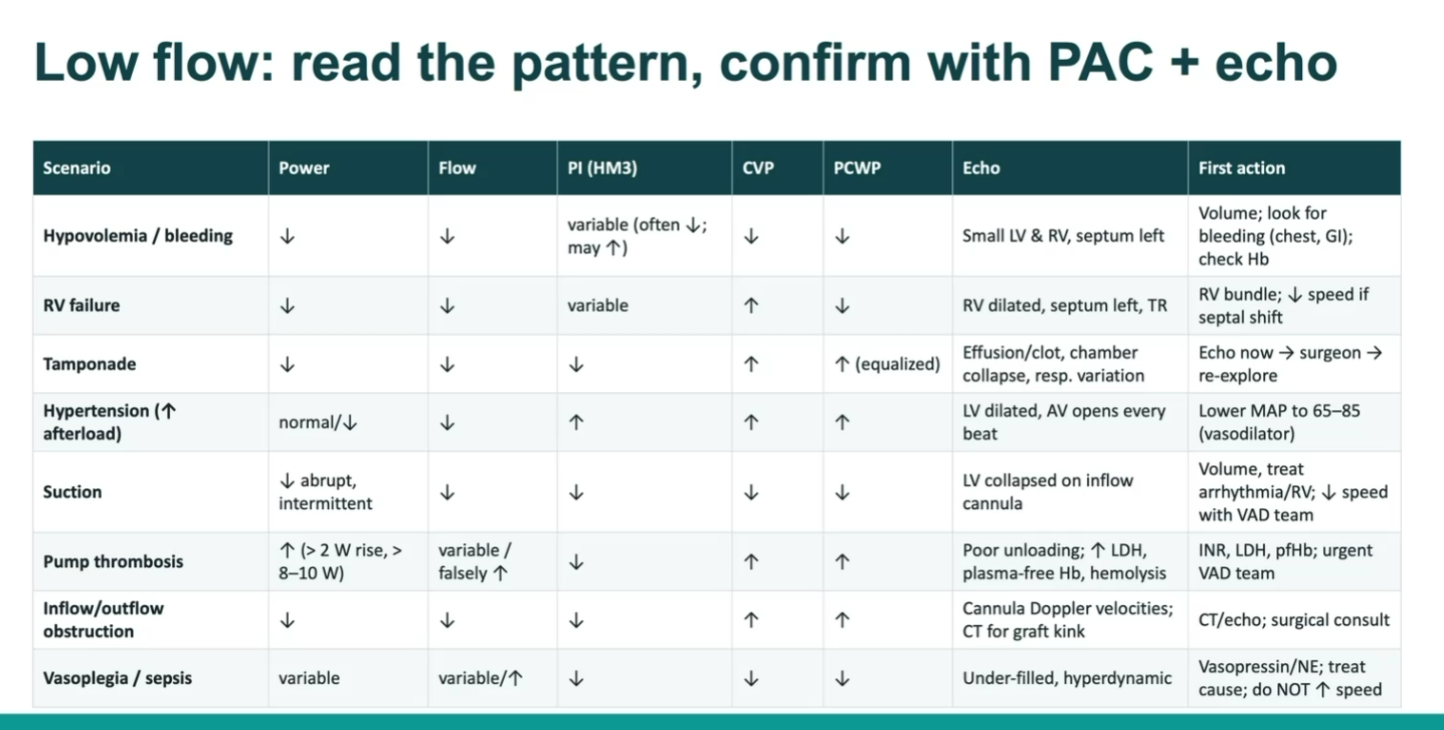
- suction event: underfilled LV, LV collapse against valve, no flow across pump
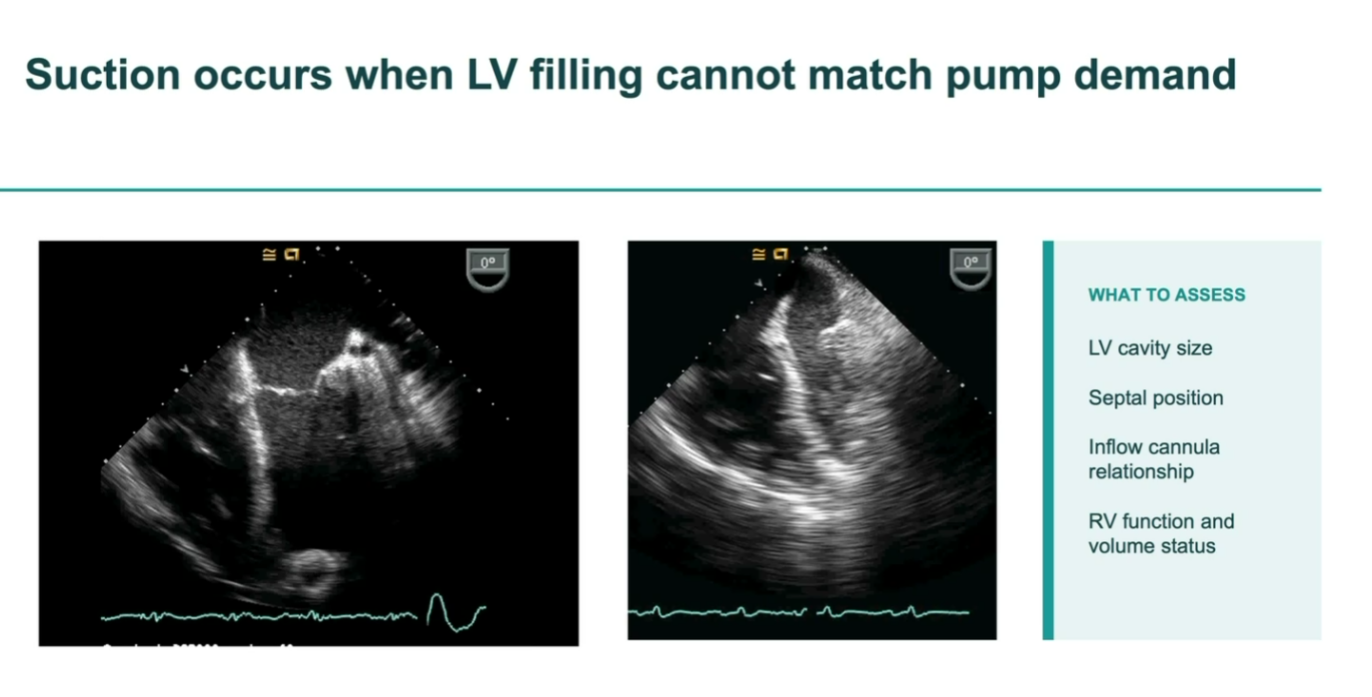
- L normal
- R: LV collapsed against camera
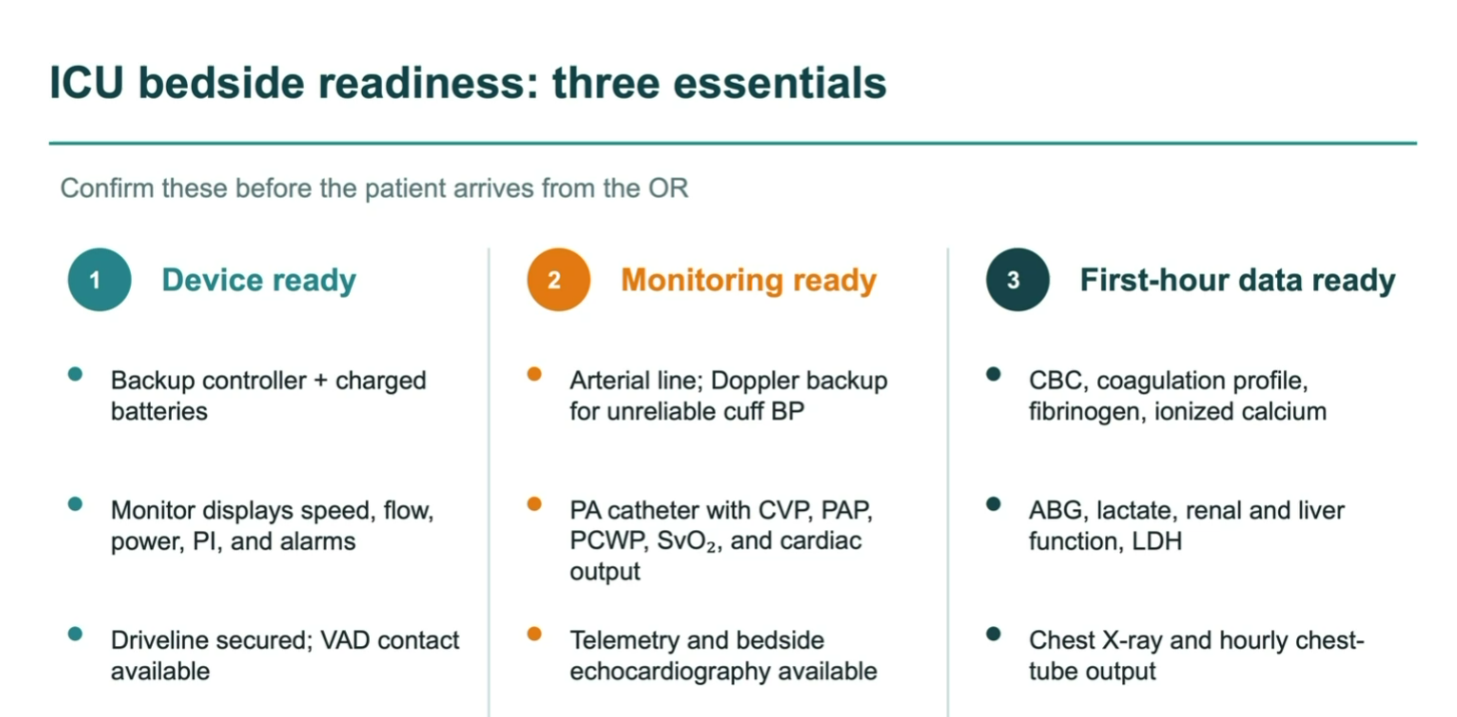
First 48 Hours
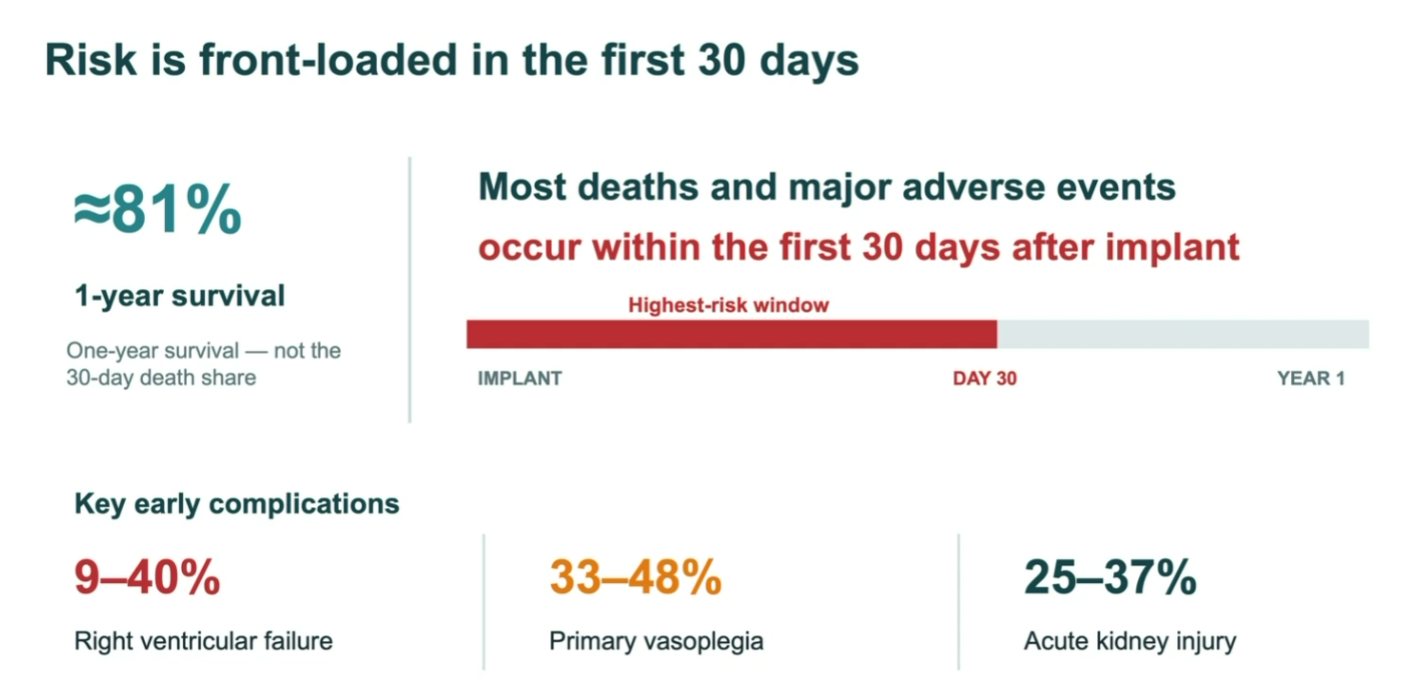
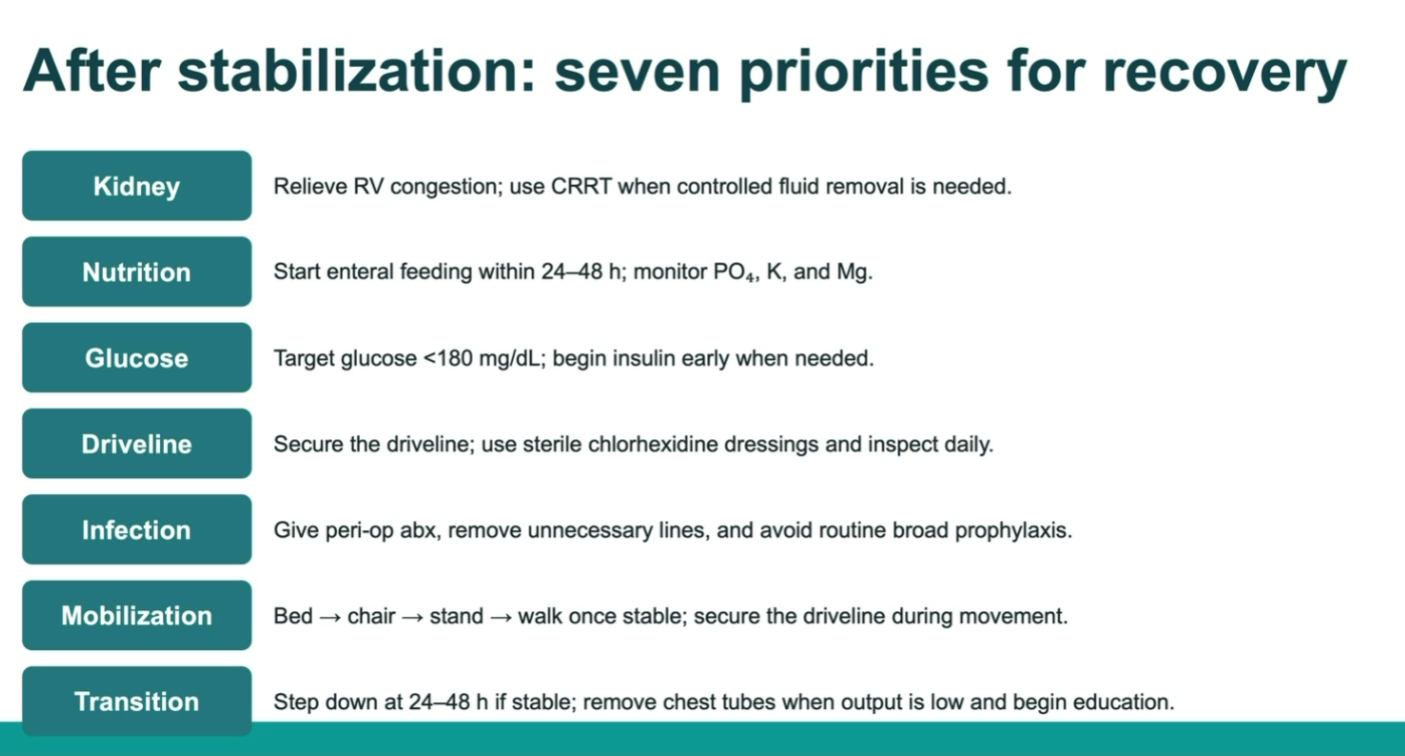
- majority of mortality in first 30 days
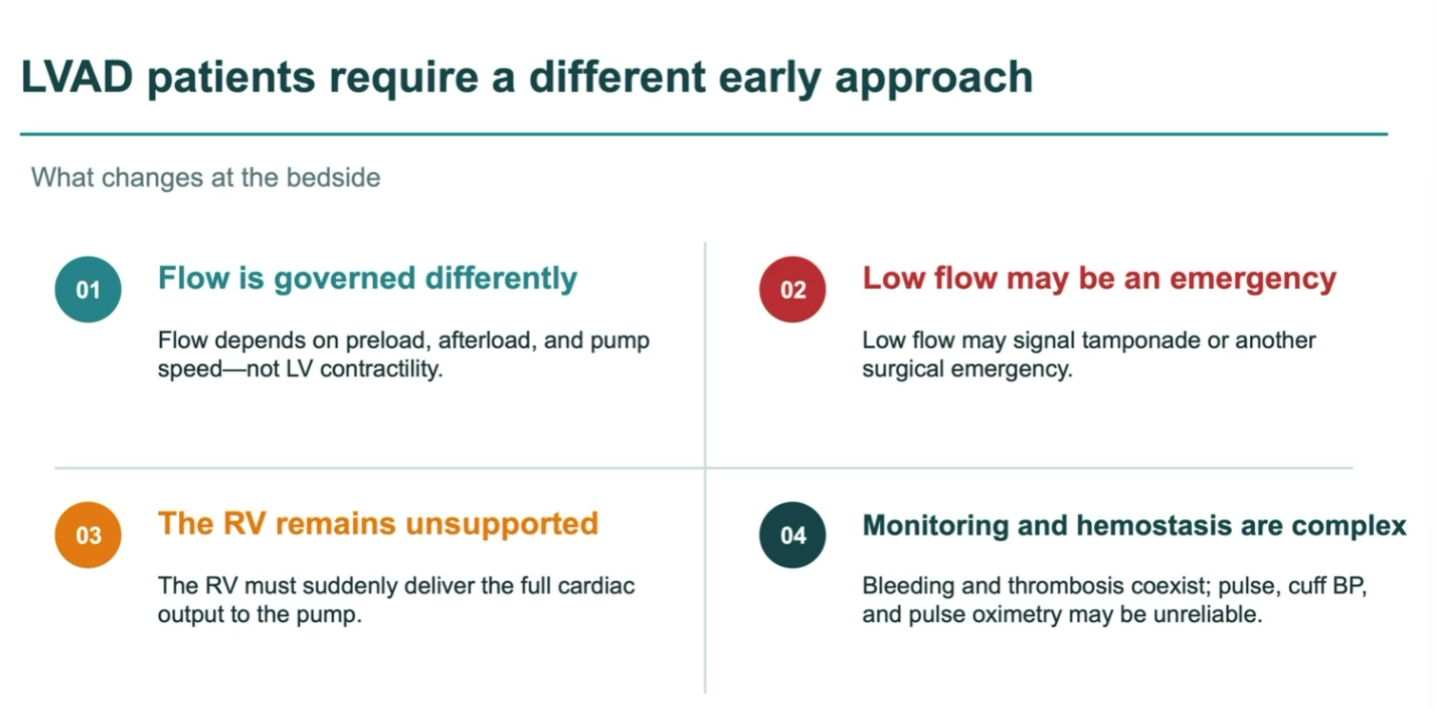
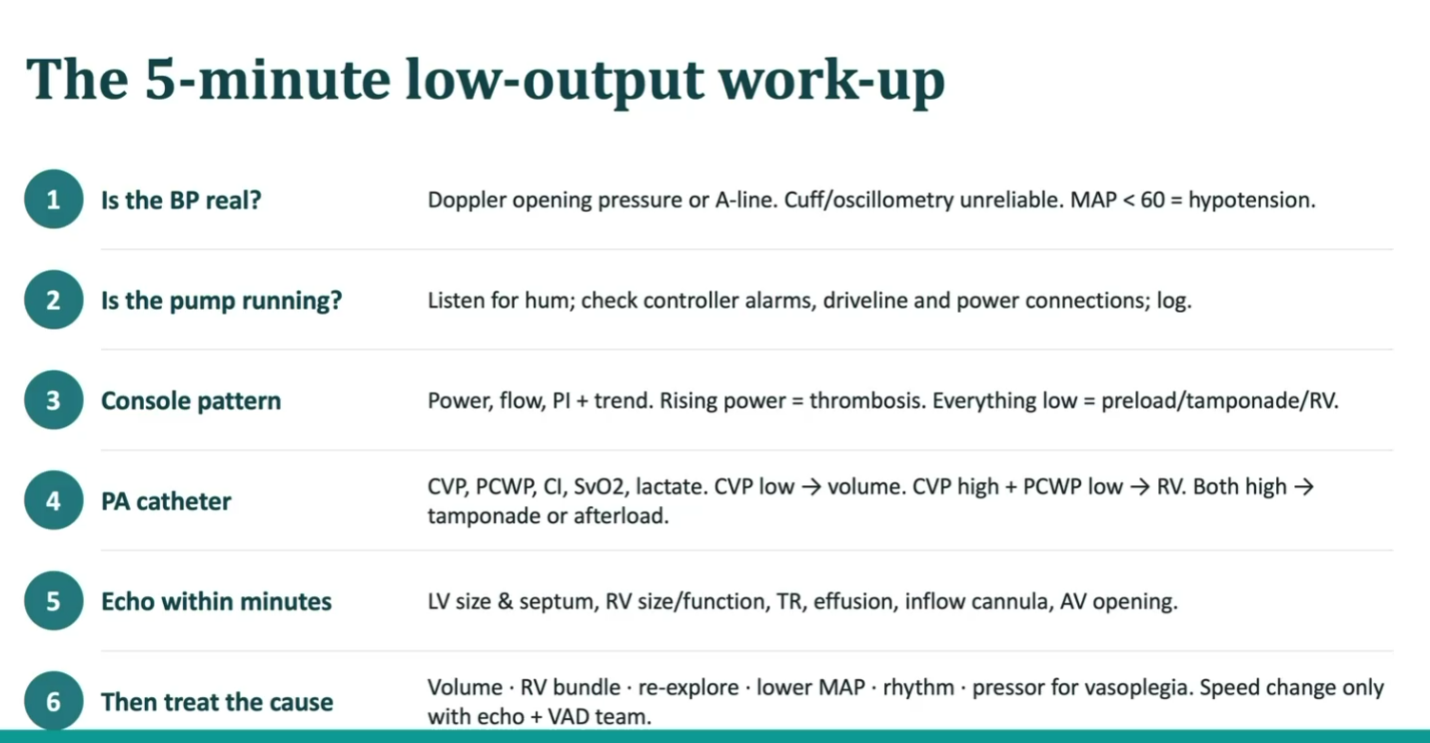
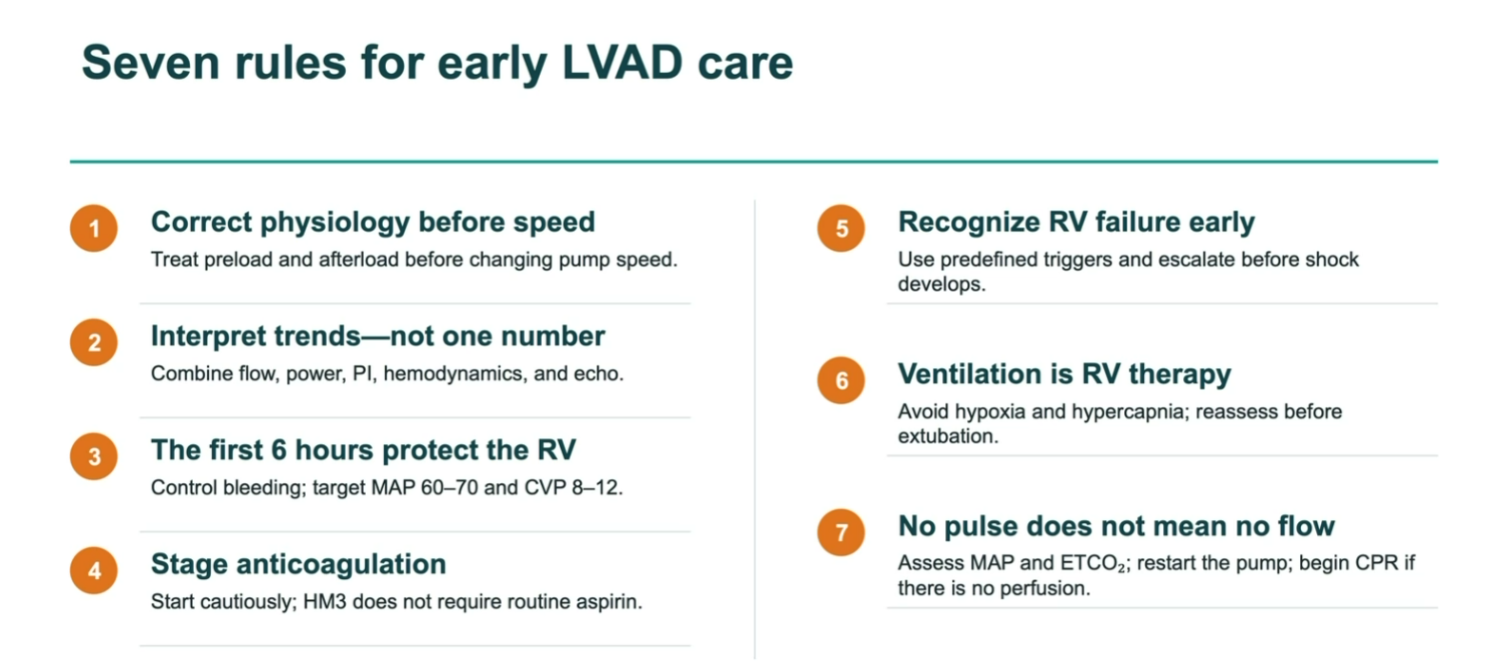
- low flow may be evidence of tamponade
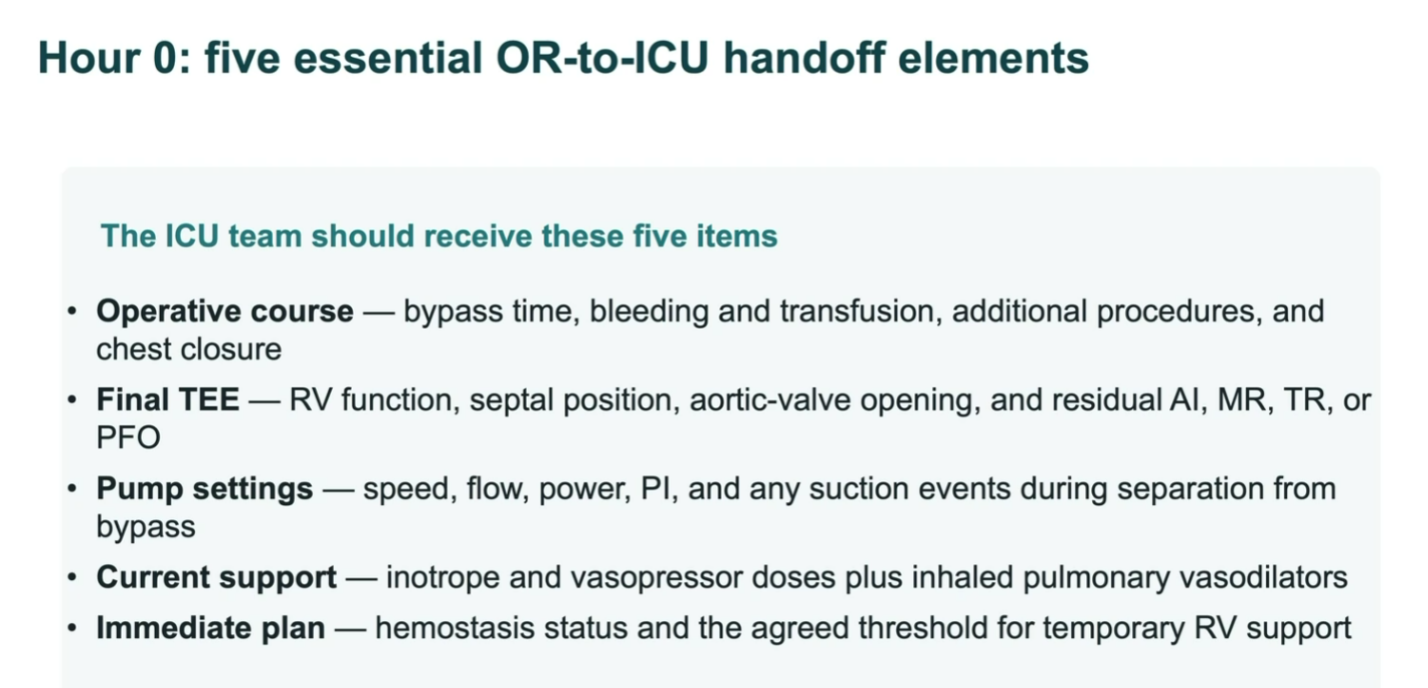
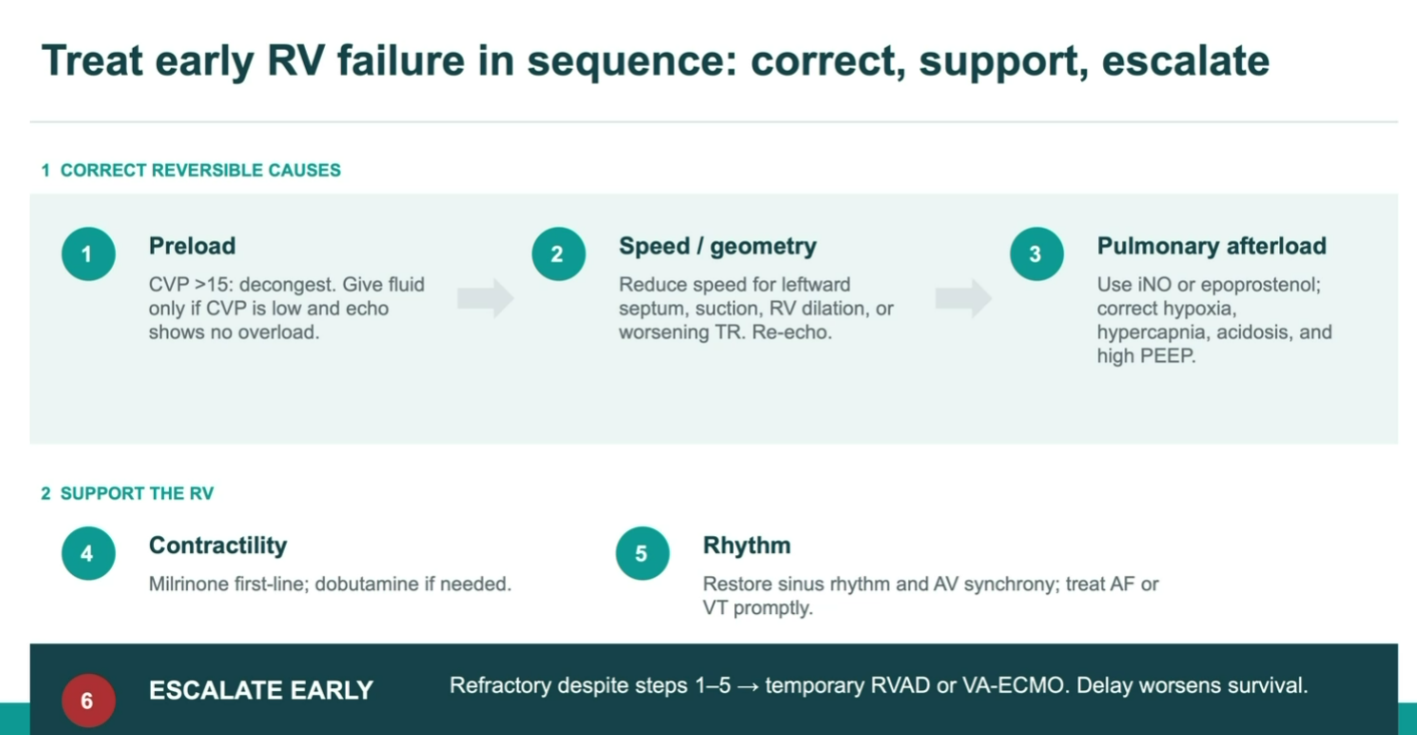
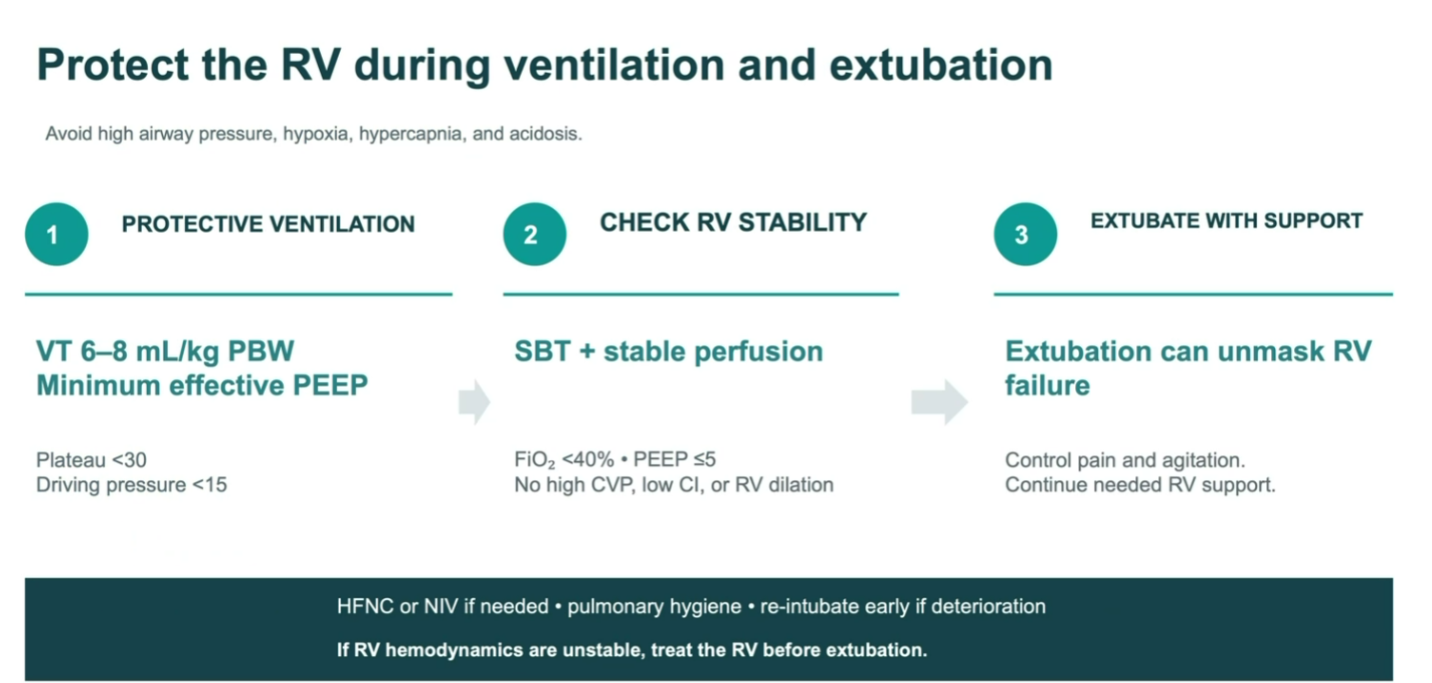
- plan for any RV dysfunction
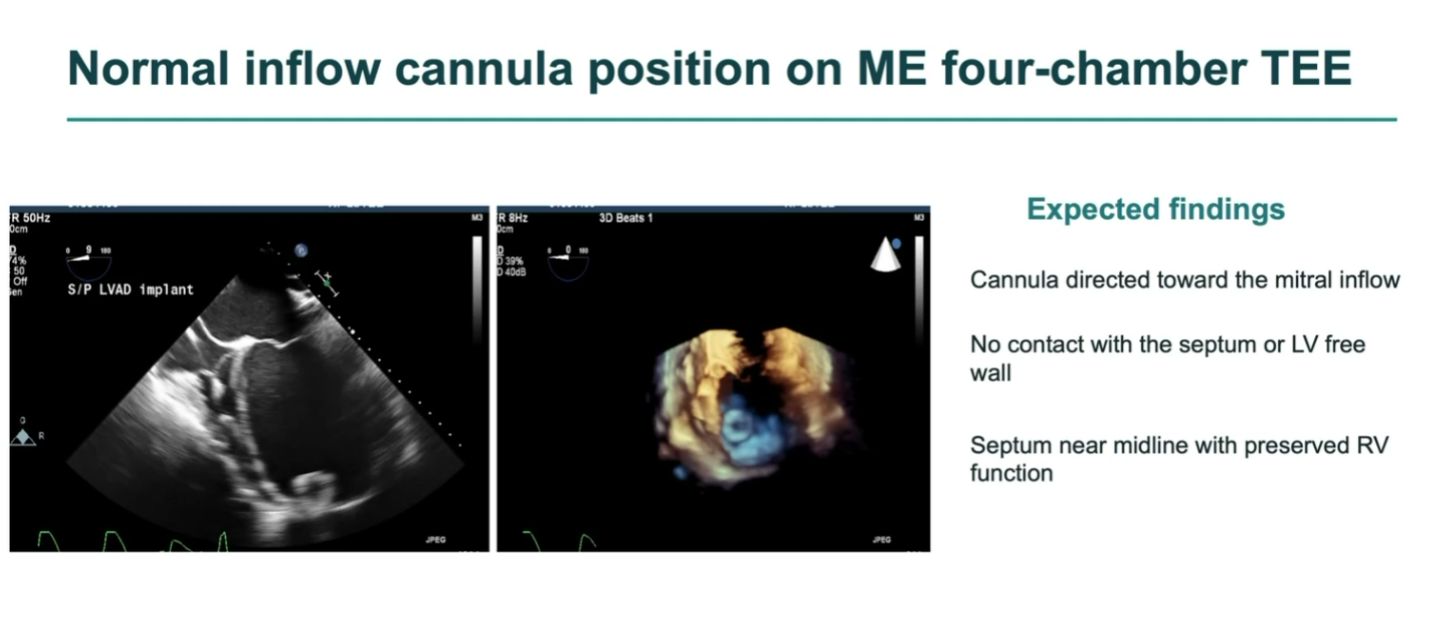
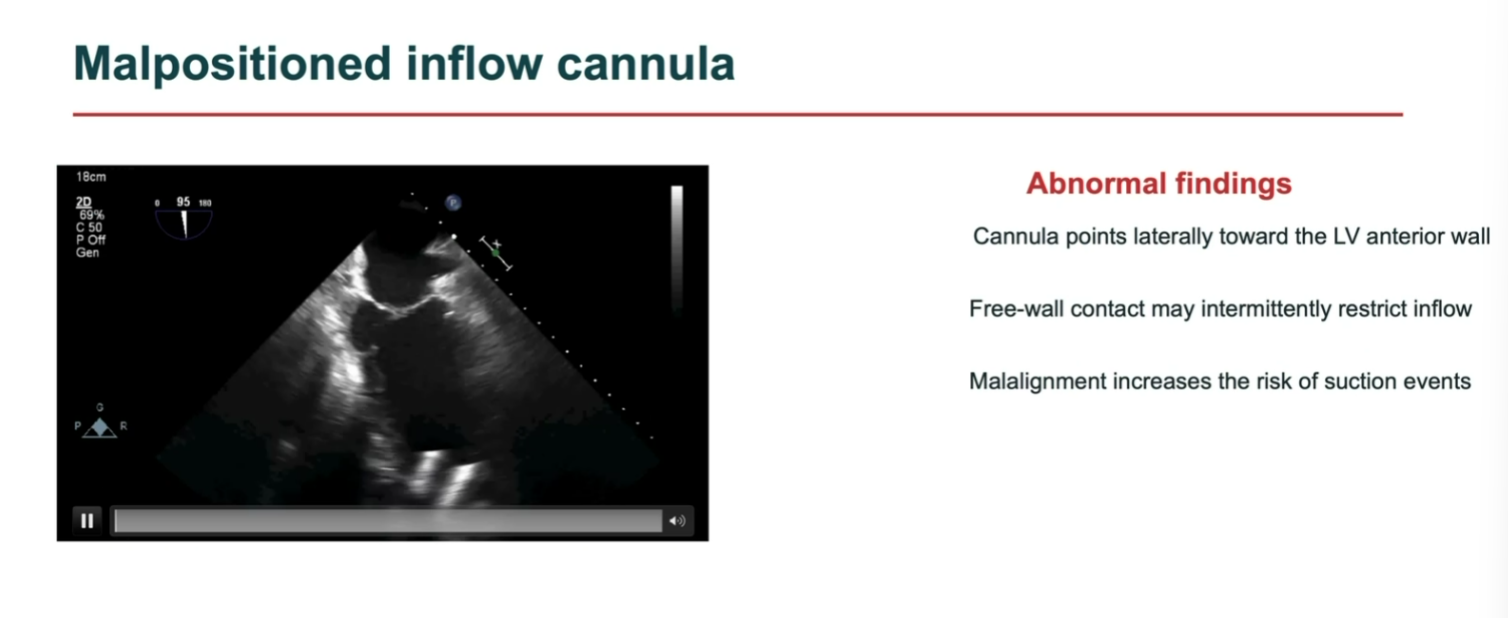
- camera should be at apex of LV, pointed toward MV, no contact with septum
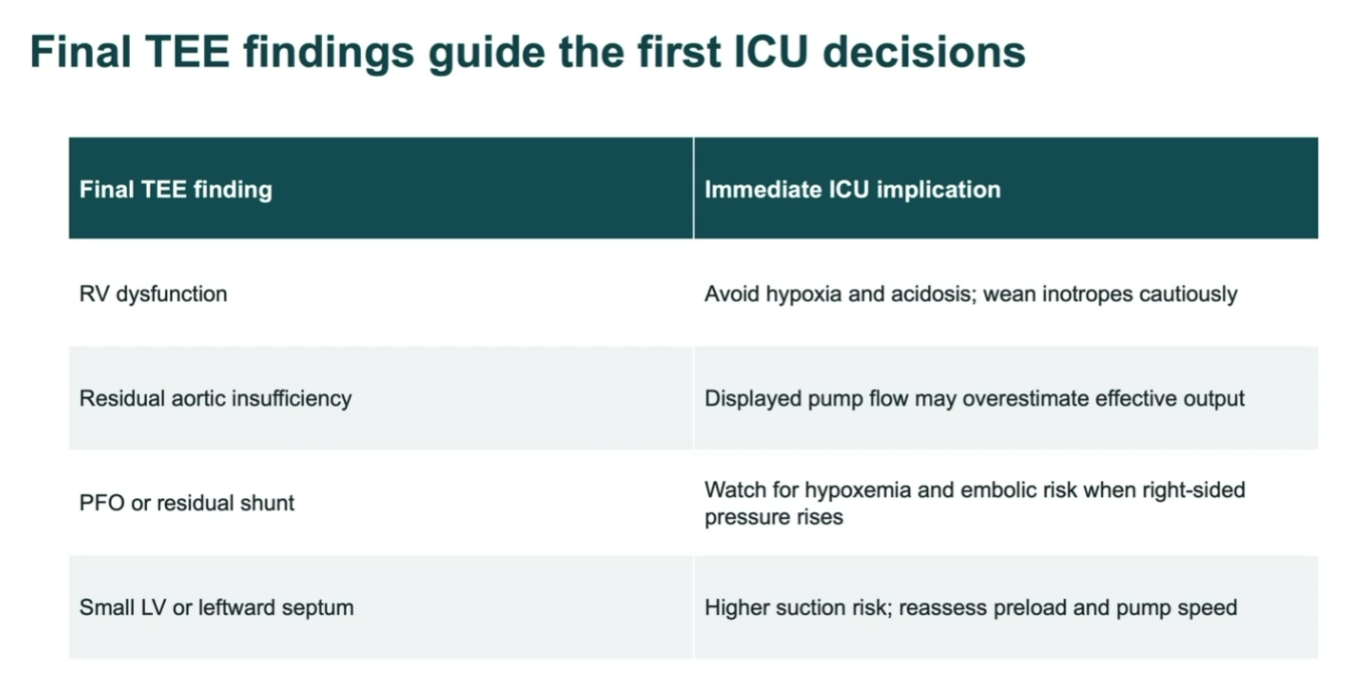
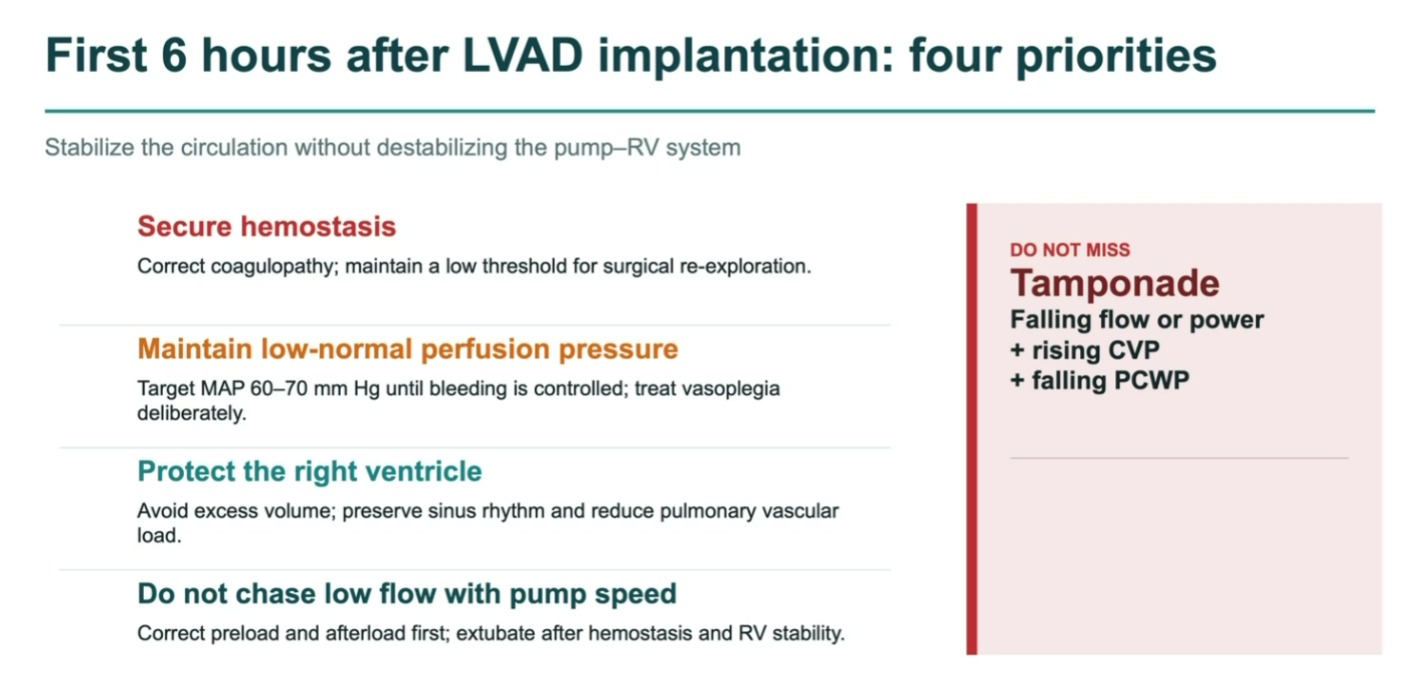
- decrease preload, decreased RV size, PCWP: think about bleed or tamponade
- maintain lower MAP
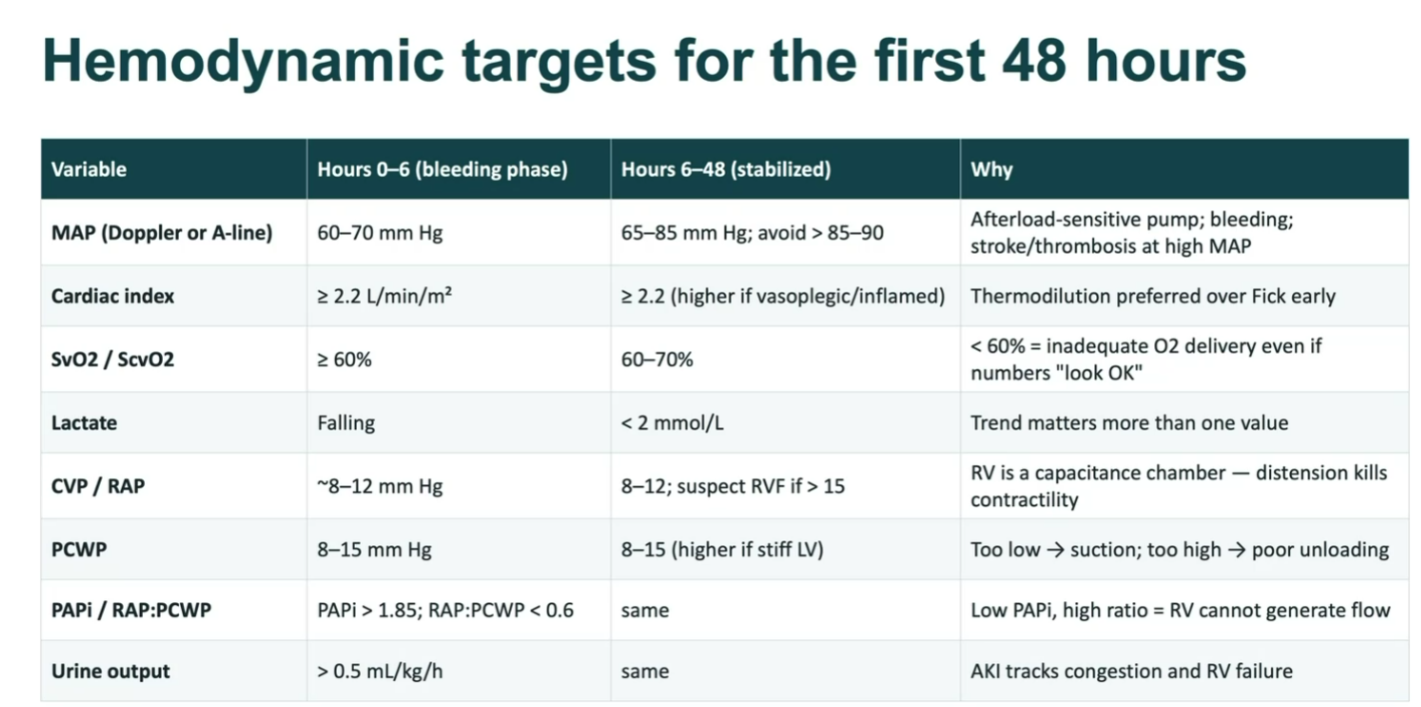
Complications
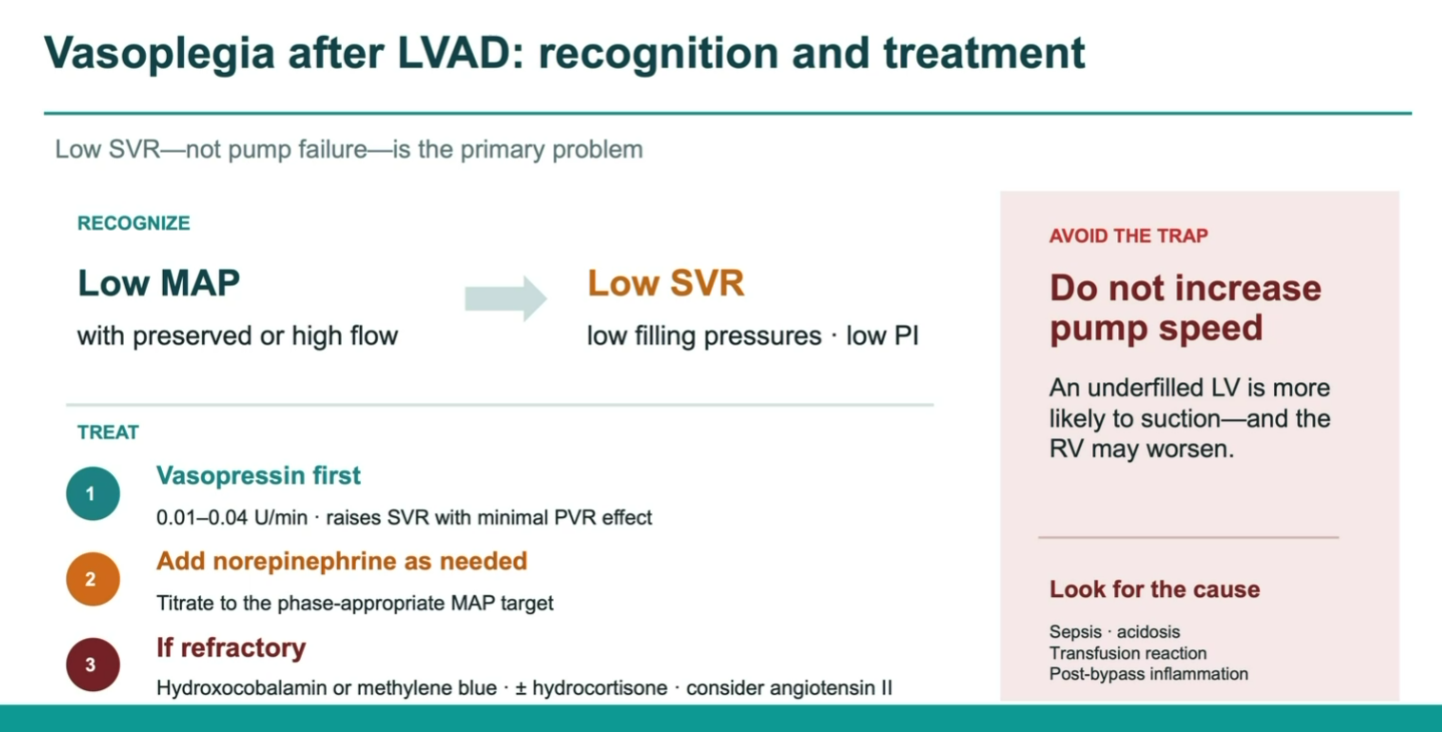
Vasoplegia
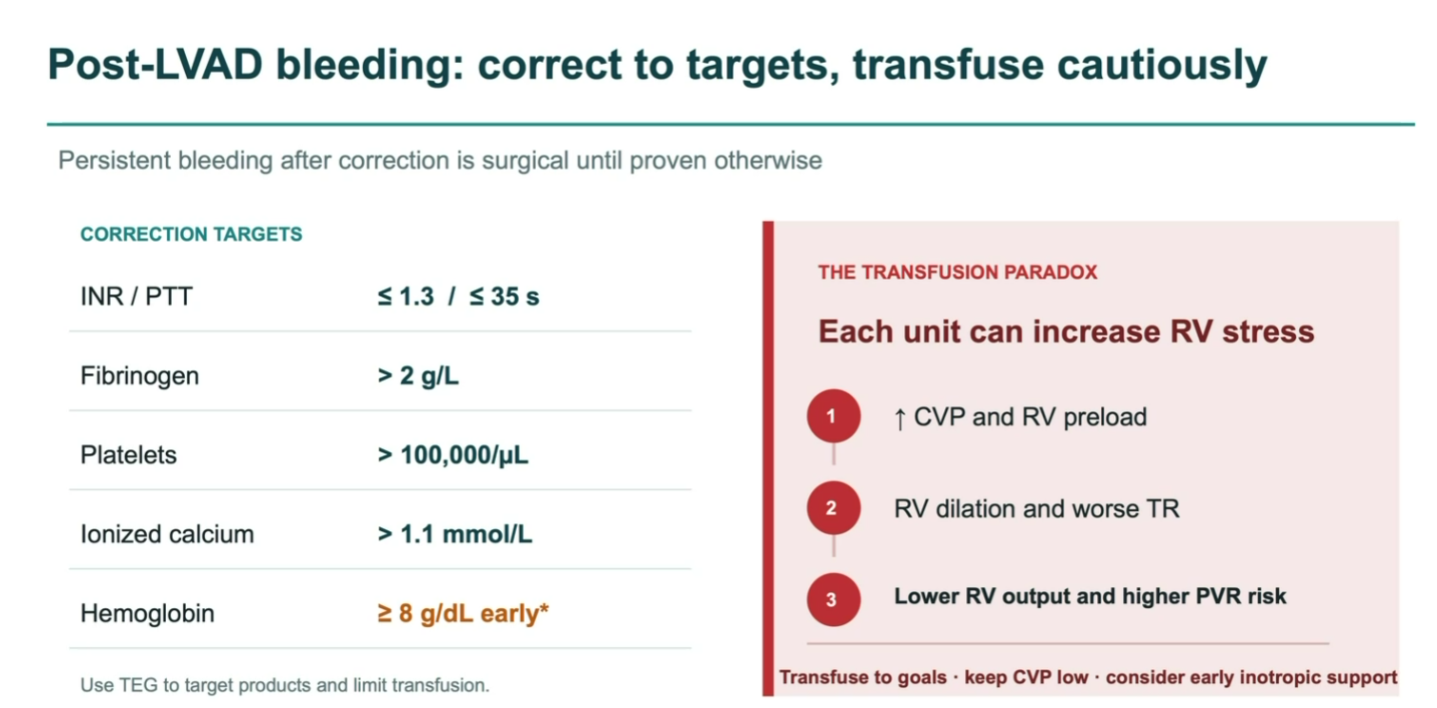
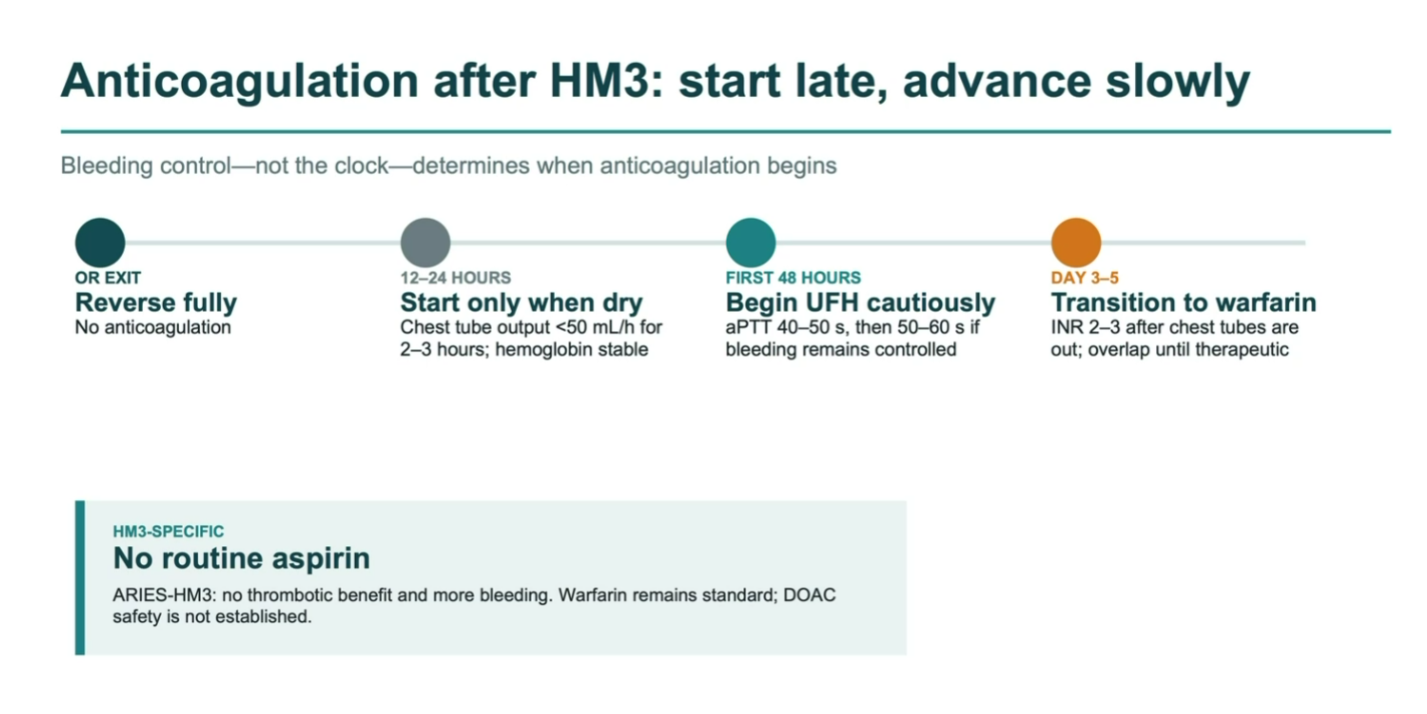
Bleeding
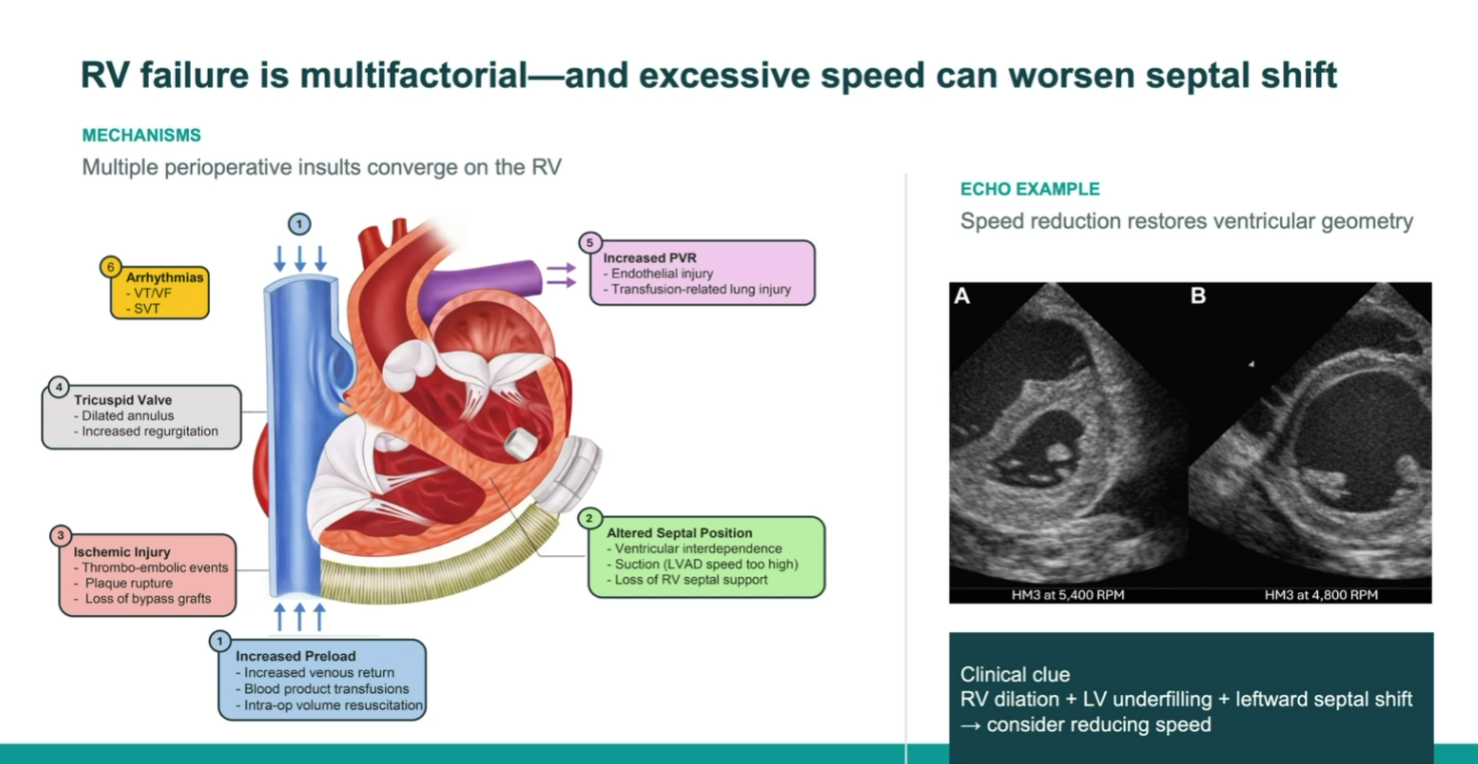
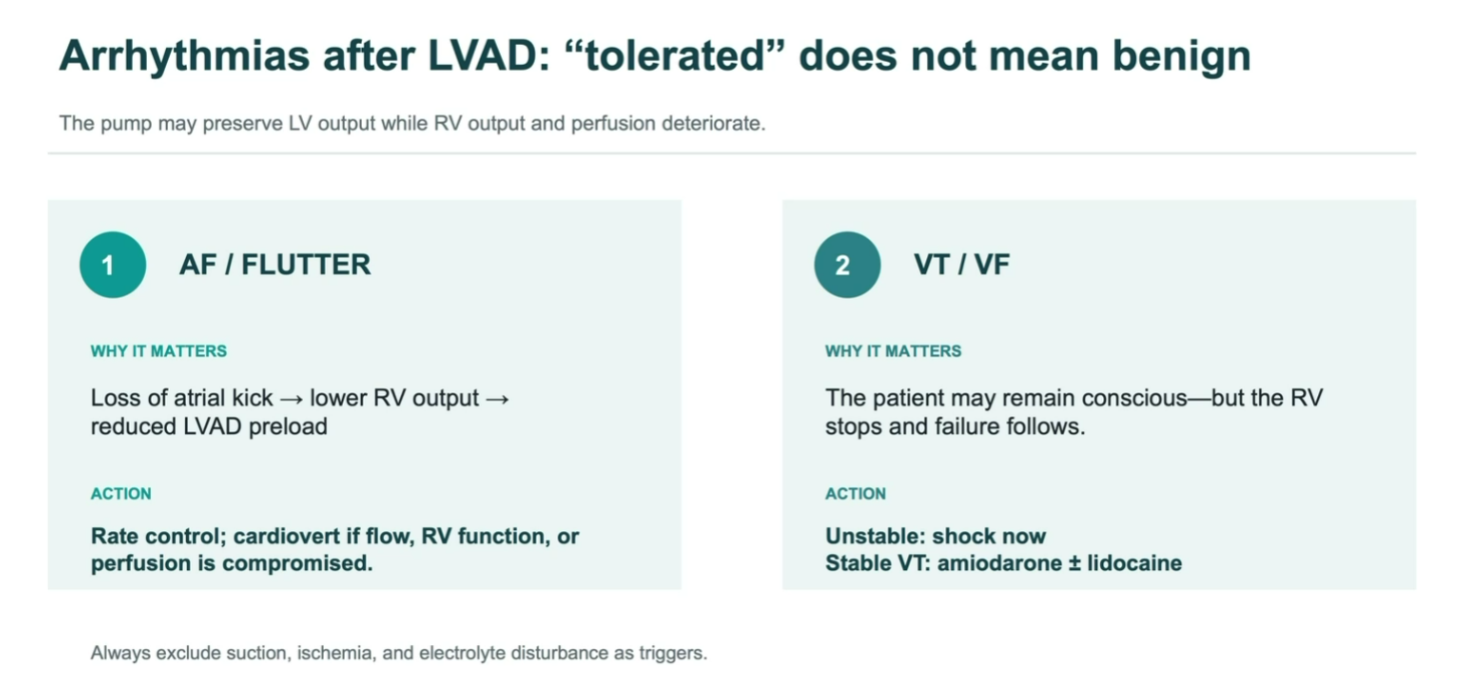
- RV failure reasons
- more venous return to RV from more blood going out of LV
- A: RV dysfunction and high speed.
- B: septal in normal position
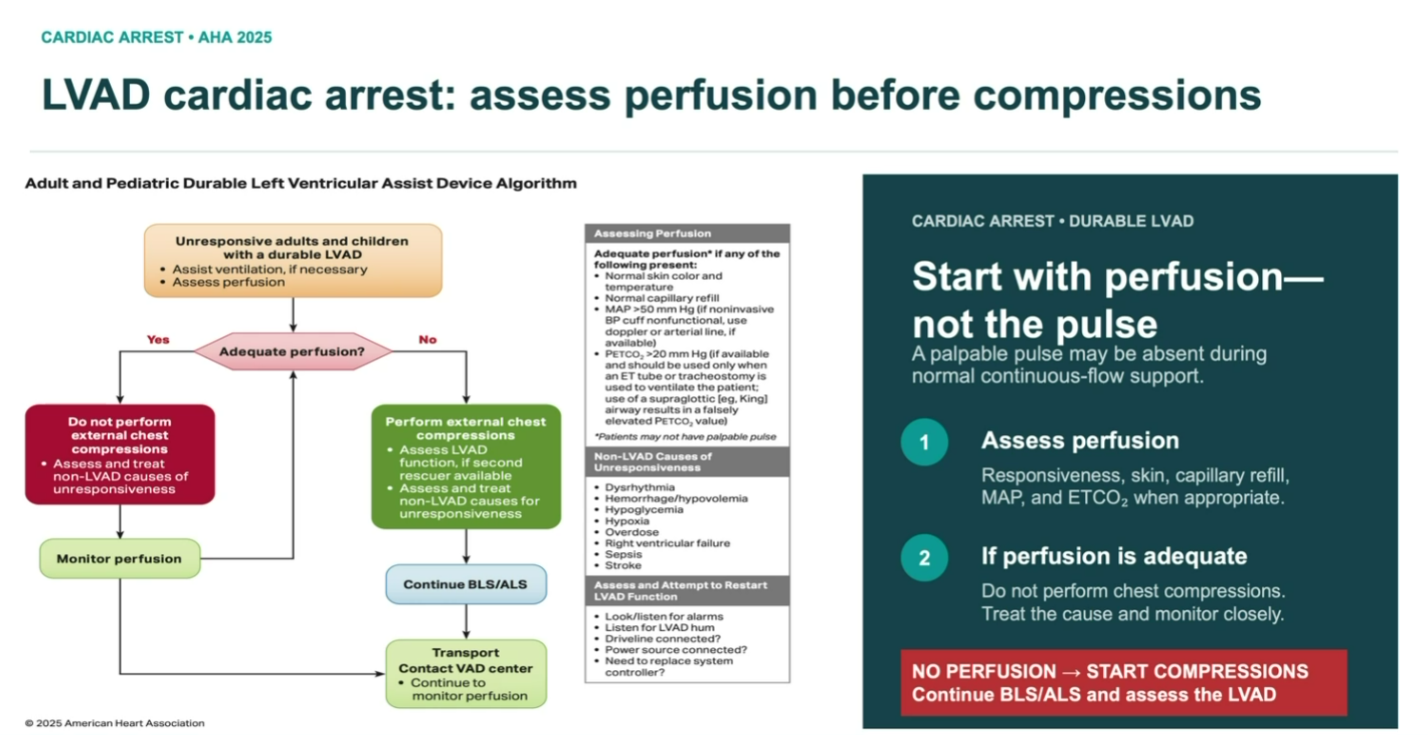
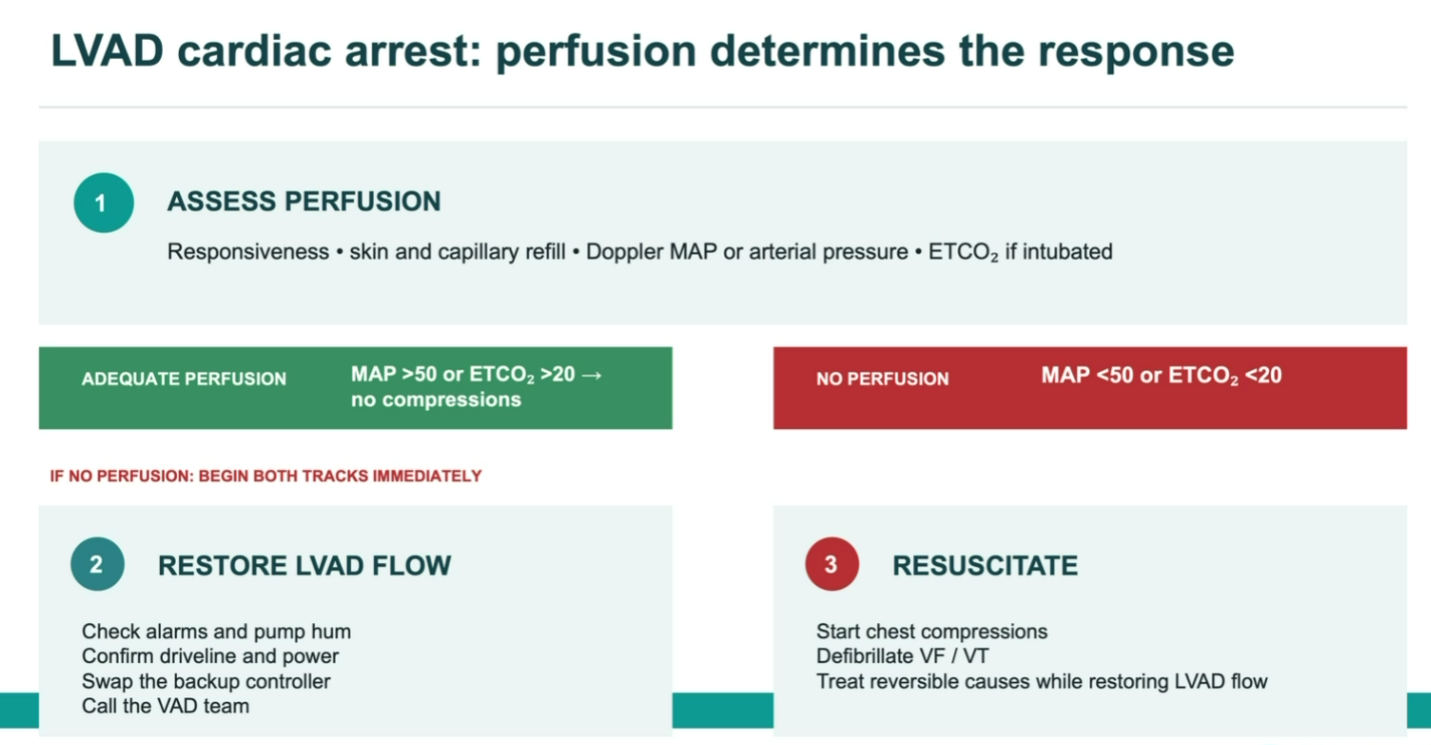
- for CPR: turn rpm down to 2000 but not below
Links to this note